US Open Disruptions Highlight Risky Brand-Influencer Relationships
Introduction
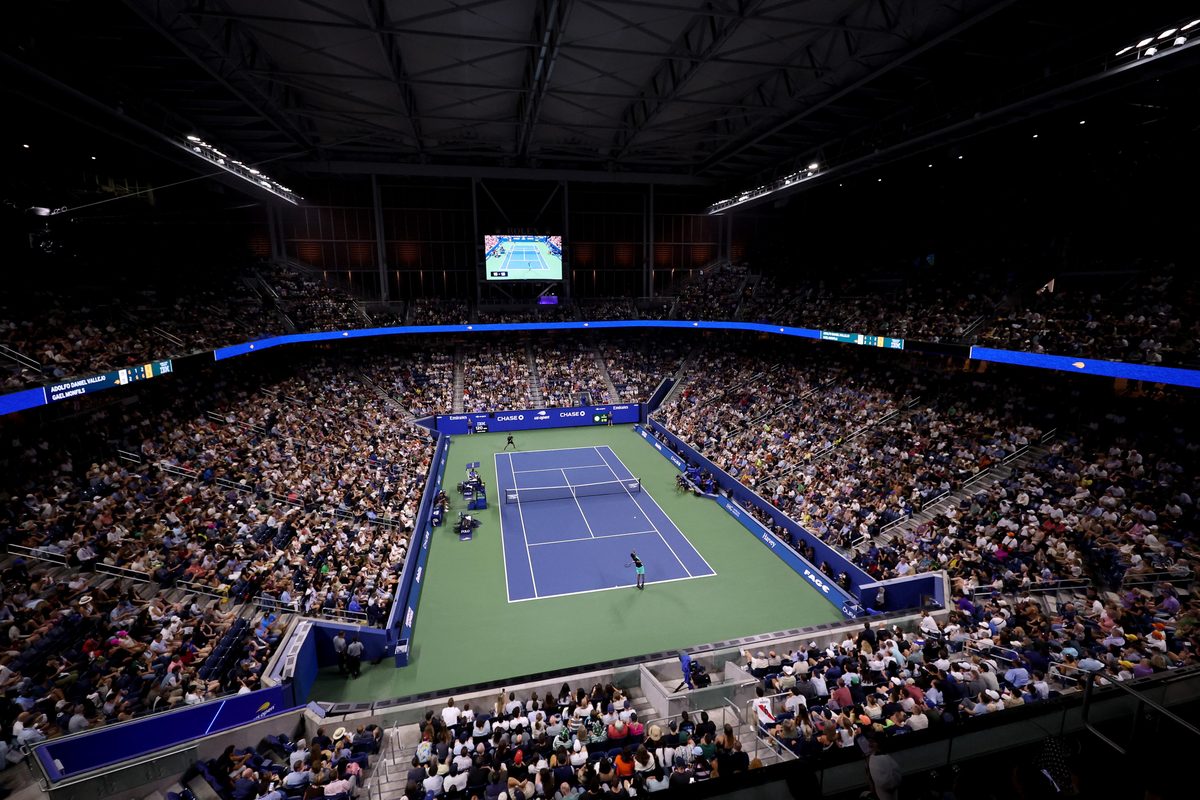
The recent US Open tennis tournament became an unexpected stage for a clash between the worlds of elite sports and social media influence. During a match featuring Naomi Osaka, a group of influencers, equipped with ring lights and an apparent disregard for the game's etiquette, caused a significant enough disturbance to halt play. This incident, coupled with a widely criticized golf advertisement featuring YouTubers, underscores a growing tension and potential risk in the symbiotic relationship between brands and online content creators.
Key Details
- US Open Disturbance: During a Naomi Osaka match, influencers disrupted play with excessive use of ring lights and noise, prompting umpire intervention.
- Increased Creator Presence: The US Open saw nearly 100 content creators credentialed this year, almost double the previous year's figure of 54.
- Unauthorized Access: Two lifestyle influencers had their US Open credentials revoked after posting badge images online, having been improperly submitted by a food vendor.
- Golf Ad Controversy: A golf advertisement featuring YouTubers from the channel Good Good was pulled after widespread backlash for its perceived insensitivity and promotion of violence against women.
- Brand Apologies: Callaway Golf, featured in the controversial ad, issued an apology and severed ties with Good Good, acknowledging that mistakes were made in the approval process.
- Industry Growth: US creator ad spend is projected to reach $44 billion by the end of this year, highlighting the increasing reliance of brands on influencer marketing.
Background
The US Open, a prestigious Grand Slam tennis event, has been actively seeking to broaden its audience and engagement, partly by embracing the digital realm. This includes an increased number of content creators being granted access to the tournament. Jeanmarie Daly, USTA media operations director, noted a near doubling of approved creators for this year's event. However, the incidents at the tournament revealed a disconnect between the USTA's efforts to integrate new media and the actual behavior of some individuals present. While many creators were officially credentialed, others, like the two lifestyle influencers whose access was revoked, gained entry through improper channels, highlighting a vulnerability in the credentialing process.
Impact Analysis
The disruptions at the US Open and the fallout from the Callaway Golf ad serve as stark examples of the potential downsides of influencer marketing. For the USTA, the negative attention detracted from the athletic competition and led to the implementation of new signage reminding spectators about photography etiquette. For Callaway Golf, the controversy resulted in immediate damage to its brand reputation, necessitating a public apology and a termination of its partnership. These events demonstrate that while influencers can amplify a brand's reach, their actions can also lead to significant reputational risk. The viral nature of social media means that such missteps can quickly escalate, impacting not only the brand directly involved but also the broader perception of influencer marketing.
Broader Context
The rise of content creators as marketing powerhouses is undeniable. With US creator ad spend projected to reach $44 billion this year, companies are heavily invested in leveraging these platforms. Influencers offer a direct line to specific demographics, often with a perceived authenticity that traditional advertising struggles to replicate. However, this reliance places brands in a position where they must carefully vet not only the reach but also the values and behavior of their chosen ambassadors. The US Open incidents suggest that even when creators are not directly employed by the event organizers, their presence, if disruptive, reflects poorly on the event itself. Similarly, the Callaway ad incident shows that brands must exercise due diligence in approving content, even when it's produced by partners.
Future Outlook
Moving forward, it is likely that brands and event organizers will implement more stringent guidelines and vetting processes for content creators. This could involve more thorough background checks, clearer codes of conduct, and stricter enforcement of rules during events. Brands may also shift towards longer-term partnerships with creators who have demonstrated a consistent alignment with brand values, rather than relying on one-off campaigns. The incidents may also prompt a re-evaluation of the metrics used to assess influencer success, with a greater emphasis placed on brand safety and ethical considerations alongside engagement rates. The industry is at a critical juncture, where the pursuit of reach must be balanced with the responsibility of maintaining brand integrity and ensuring positive audience experiences.
Conclusion
The recent events at the US Open and the Callaway Golf ad controversy highlight a critical challenge for brands navigating the influencer marketing landscape. While influencers offer unparalleled access to diverse audiences, their conduct can sometimes undermine the very events and products they are meant to promote. The responsibility lies not only with the creators to behave appropriately but also with the brands to ensure their marketing partners uphold ethical standards and respect the context of their collaborations. As influencer marketing continues to mature, a greater emphasis on accountability, clear communication, and mutual respect will be essential for fostering sustainable and positive relationships between brands, creators, and the public.
Source: theverge.com

.webp)