Semaglutide Linked to 21% Lower Psychiatric Hospitalization Risk in Bipolar Disorder Patients
Introduction
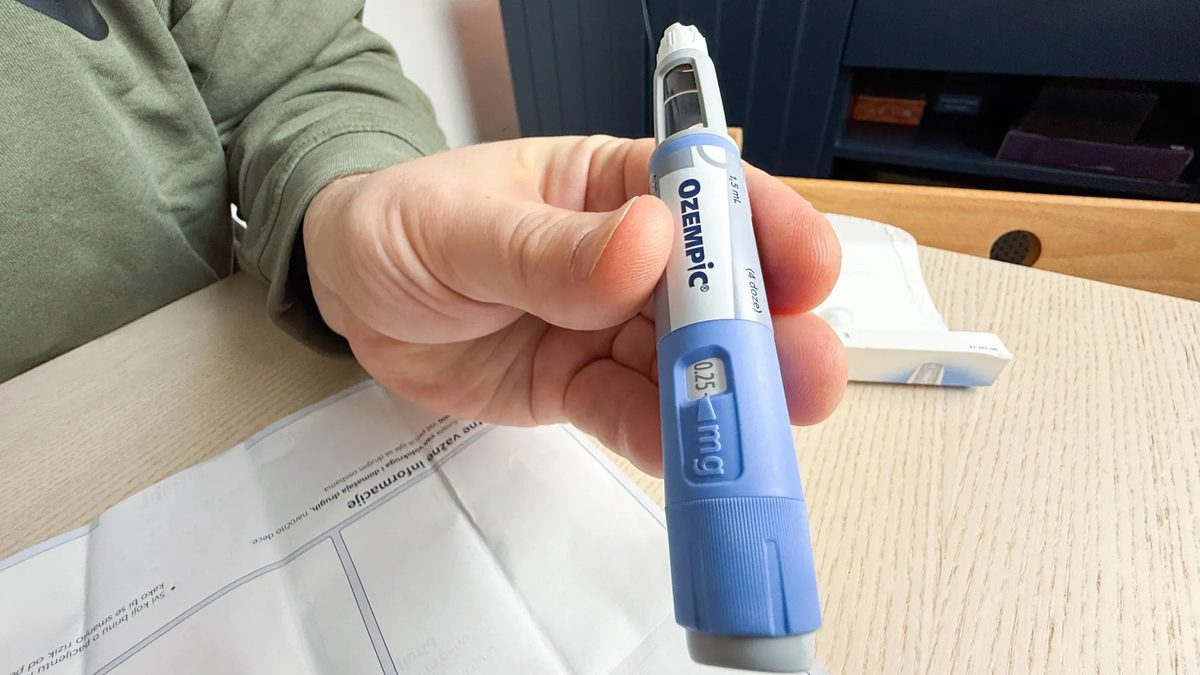
The groundbreaking medications Ozempic and Wegovy, known chemically as semaglutide, have revolutionized the treatment of type 2 diabetes and obesity. However, emerging research from Griffith University suggests these glucagon-like peptide-1 receptor agonists (GLP-1RAs) may possess an unexpected benefit: a potential positive impact on mental health, particularly for individuals diagnosed with bipolar disorder. A large-scale Swedish study has revealed a significant association between semaglutide use and a reduced risk of psychiatric hospitalization among this vulnerable population.
Key Details
- Study Focus: The research investigated the link between GLP-1 receptor agonists and the risk of psychiatric hospitalization in people with bipolar disorder.
- Drug Investigated: Semaglutide (marketed as Ozempic and Wegovy) was specifically analyzed.
- Key Finding: Patients with bipolar disorder who used semaglutide experienced a 21% lower risk of psychiatric hospitalization compared to periods when they were not taking GLP-1 medications.
- Study Population: The analysis included nearly 15,000 individuals with bipolar disorder in Sweden, utilizing nationwide data over a 15-year period (2009-2024).
- Comparative Analysis: Other GLP-1 medications, such as liraglutide and dulaglutide, did not show the same association with reduced hospitalization risk, suggesting the benefit may be specific to semaglutide or certain GLP-1RAs.
- Publication: The findings were published in the peer-reviewed journal Acta Psychiatrica Scandinavica.
Background
Bipolar disorder is a complex mental health condition characterized by extreme mood swings, ranging from manic highs to depressive lows. It affects millions worldwide, with the World Health Organization estimating that approximately one in 200 people, or around 37 million individuals, live with the disorder. Comorbidities, such as diabetes and obesity, are frequently observed in individuals with bipolar disorder, suggesting shared underlying biological pathways. GLP-1RAs, initially developed to manage blood sugar in diabetes and later recognized for their potent weight-loss effects, have become widely prescribed. While their efficacy in metabolic health is well-established, their potential neurological and psychiatric implications have been a subject of ongoing investigation.
Impact Analysis
The 21% reduction in psychiatric hospitalization risk associated with semaglutide use is a compelling finding. Psychiatric hospitalizations represent a significant burden on individuals, families, and healthcare systems, often indicating a severe relapse or crisis requiring intensive treatment. A medication that could potentially lower this risk could dramatically improve the quality of life for people with bipolar disorder and reduce the strain on mental healthcare services. Researchers hypothesize that semaglutide's effects might extend to the brain by mitigating inflammation, reducing cellular stress, and influencing other biological processes implicated in the pathophysiology of bipolar disorder. These neuroprotective mechanisms could contribute to enhanced mood stability and a decreased likelihood of severe mood episodes requiring hospitalization.
“The findings add to growing evidence that GLP-1 receptor agonists may have benefits beyond diabetes and obesity treatment, and could represent a promising new avenue for bipolar research.”
Broader Context
This research emerges at a time when the multifaceted benefits of GLP-1RAs are increasingly being explored. Beyond their established roles, these drugs are being investigated for potential applications in cardiovascular health, neurodegenerative diseases, and now, mental health. The observed difference between semaglutide and other GLP-1RAs like liraglutide is particularly noteworthy. It suggests that the specific molecular structure or receptor interaction profile of semaglutide might be crucial for its potential psychiatric benefits. This distinction underscores the complexity of drug mechanisms and the need for nuanced research within drug classes, rather than making broad generalizations.
Future Outlook
While these findings are promising, Professor Mark Taylor, the lead researcher from Griffith University, emphasizes the need for further investigation. The current study is observational, meaning it identifies an association but cannot definitively prove causation. The next critical step, according to Professor Taylor, is to conduct randomized controlled trials (RCTs). RCTs are the gold standard for establishing causality and would involve directly comparing semaglutide to a placebo or another active treatment in individuals with bipolar disorder to rigorously assess its impact on psychiatric outcomes. Such trials would provide definitive evidence on whether semaglutide can indeed improve psychiatric stability and reduce the need for hospitalization.
Conclusion
The association between semaglutide use and a 21% lower risk of psychiatric hospitalization in individuals with bipolar disorder represents a significant development in understanding the potential broader applications of this widely used medication. While further research, particularly through randomized controlled trials, is essential to confirm these findings and elucidate the underlying mechanisms, this study opens a promising new frontier in the search for effective treatments for bipolar disorder. If validated, semaglutide could offer a dual benefit, addressing metabolic health while also providing crucial support for mental well-being.
Source: sciencedaily.com