Eyelash Extensions Linked to 96% Mite Infestation Rate in Study
Introduction
Eyelash extensions, a popular cosmetic enhancement promising fuller, longer lashes without daily mascara application, may come with an unwelcome side effect. A recent study suggests that the frequent use of these extensions could be creating an ideal breeding ground for microscopic skin mites, specifically Demodex folliculorum, leading to potential ocular discomfort and health issues.
Key Details
- A study involving 345 women aged 16-28 investigated the link between eyelash extensions and eye health.
- Of 86 women who regularly used extensions, nearly half reported symptoms like discomfort, redness, tearing, or itching.
- Infrared imaging of eyelids revealed that 85% of women who had extensions more than 10 times experienced blocked meibomian glands or glands producing inadequate oil for eye hydration.
- Examination of eyelash samples from 25 regular extension users found Demodex folliculorum mites in 24 of them (96%).
- Symptoms associated with mite infestation, such as itching, redness, swelling, lash matting, and scaly skin at the lash base, were observed in most affected participants.
- Researchers suggest that impaired eyelid hygiene and changes in the eyelid environment due to extensions facilitate mite multiplication.
- Dr. Tetiana Zhmud, the lead researcher from the National Pirogov Memorial Medical University in Ukraine, emphasized that the study does not call for a complete ban on extensions but recommends strict hygiene practices.
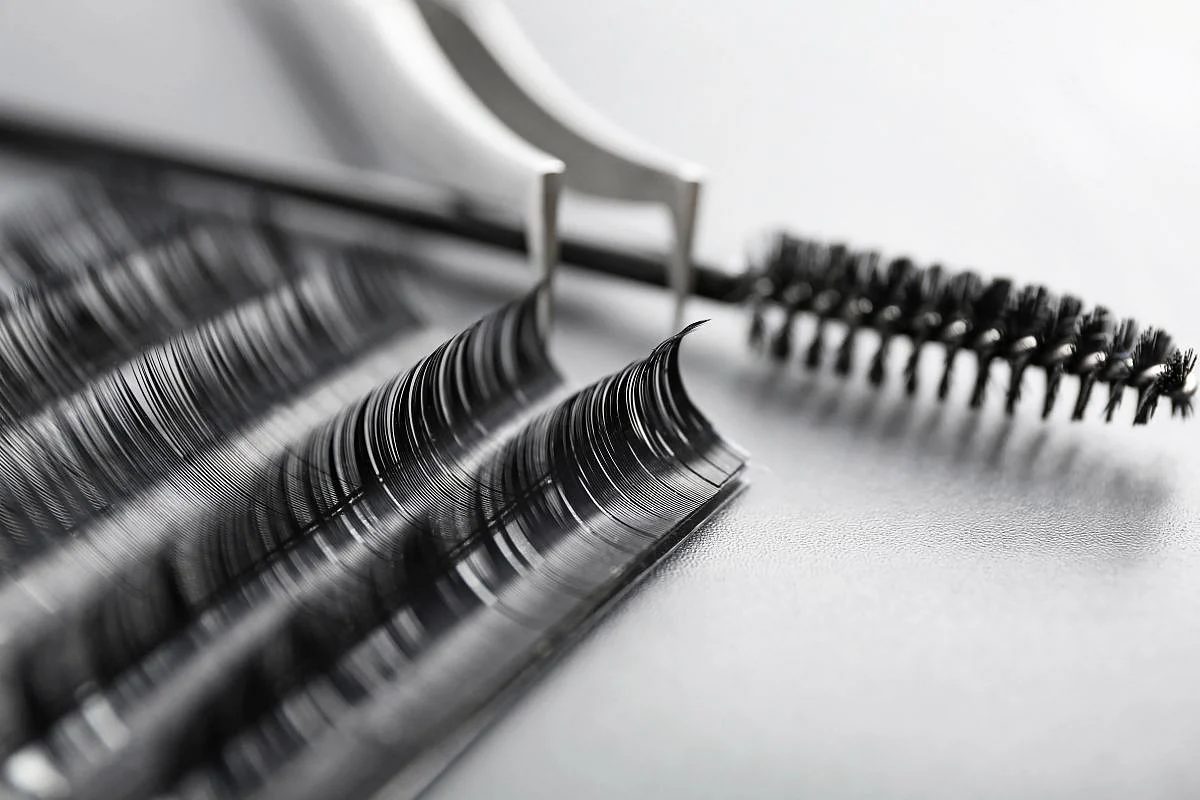
- Recommended hygiene includes cleaning extensions twice daily with a preservative-free, hypoallergenic eyelid gel and a cleansing brush.
- For confirmed mite infestations, anti-parasitic treatment may be necessary.
- The findings were presented preliminarily at the European Society of Cataract and Refractive Surgeons meeting in London.
Background
Eyelash extensions have surged in popularity, particularly among younger demographics, due to their ability to enhance lash appearance significantly. However, the procedure involves attaching synthetic or natural fibers to individual eyelashes, a process that can potentially compromise the natural cleansing mechanisms of the eyelids. The meibomian glands, located in the eyelids, produce an oily substance that lubricates the eye and prevents tear evaporation. Issues with these glands can lead to dry eye symptoms and discomfort.
Impact Analysis
The study highlights a dramatic correlation between consistent eyelash extension use and the presence of Demodex mites. The finding that 96% of regular users harbored these mites is particularly striking. Demodex mites are naturally present on human skin, including the face and eyelids, but an overgrowth can cause irritation and inflammation. The conditions created by eyelash extensions—such as trapped debris, altered oil production, and potentially reduced airflow—appear to foster an environment where these mites can thrive. The reported symptoms of itching, redness, and swelling directly align with the effects of a Demodex infestation, suggesting a clear causal link.
“Our findings do not suggest that people should completely avoid eyelash extensions,” stated Dr. Tetiana Zhmud. “However, they do underscore the critical importance of maintaining meticulous eyelid hygiene when using them.”
Broader Context
This research emerges at a time when cosmetic procedures, especially those enhancing facial features, are increasingly common. While the pursuit of beauty is a significant driver, it is crucial to balance aesthetic goals with health considerations. The study serves as a reminder that even seemingly benign cosmetic applications can have unforeseen biological consequences. The prevalence of mite infestation among extension users points to a potential gap in understanding or practicing proper aftercare, which is essential for mitigating risks associated with such beauty treatments.
Future Outlook
The preliminary nature of these findings means further research in peer-reviewed journals will be essential to solidify these conclusions. However, the implications are immediate for consumers and the beauty industry. It is likely that recommendations for stringent cleaning protocols will become more prominent. Dermatologists and ophthalmologists may see an increase in patients presenting with symptoms related to Demodex overgrowth, necessitating awareness and appropriate treatment strategies. The industry might also explore innovations in extension materials or application techniques that minimize risks to eyelid health.
Conclusion
The study presents compelling evidence linking regular eyelash extension use to a high incidence of Demodex mite infestation and associated ocular discomfort. While not a reason to abandon the popular cosmetic enhancement entirely, it strongly advocates for enhanced awareness and rigorous adherence to eyelid hygiene practices. Consumers considering or currently using eyelash extensions should prioritize cleaning routines and consult with healthcare professionals if they experience persistent irritation or discomfort, to ensure both aesthetic satisfaction and the preservation of eye health.
Source: drugs.com