NYC Schools Ban AI for Younger Students, Aiming for Responsible Integration
Introduction
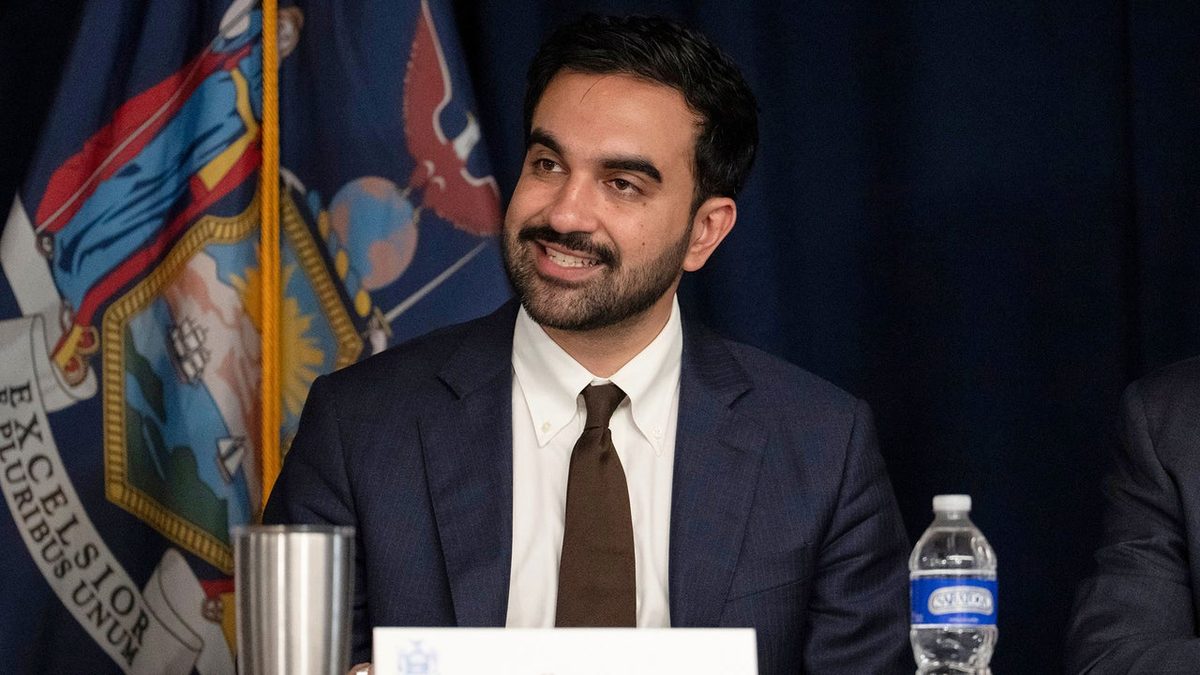
In a significant move to navigate the rapidly evolving landscape of artificial intelligence in education, New York City’s public school system, the largest in the United States, has announced a temporary ban on generative AI tools for students in elementary and middle school. This one-year moratorium, set to take effect at the start of the upcoming school year, signifies a cautious approach by educators and policymakers to understand and integrate AI responsibly into the learning environment. The decision, detailed by Mayor Zohran Mamdani, aims to provide a structured period for assessment and policy development, ensuring that the integration of AI enhances, rather than hinders, educational objectives.
Key Details
- Scope of Ban: The prohibition applies to all student-facing generative AI software for students through the eighth grade.
- Duration: The moratorium is set for one academic year, allowing for a comprehensive evaluation of AI's impact and potential uses.
- AI Literacy for High Schoolers: All public high school students will participate in twice-yearly AI literacy classes.
- Pilot Programs: Select high school students will have supervised access to certain AI platforms through pilot programs.
- Companion Chatbots: These are prohibited across all grade levels.
- Screen Time Recommendations: The city will suggest daily screen time limits: 30 minutes for grades 3-5 and 45 minutes for grades 6-8.
- Teacher Use: Educators will still be permitted to use AI for instructional planning and administrative tasks.
- Technology Review: A broader review of all technology tools used in the school system will be conducted, with non-essential tools to be eliminated.
Background
The decision by New York City schools mirrors concerns voiced by educational institutions nationwide. The rapid proliferation of AI tools like ChatGPT has presented both opportunities and challenges. While these technologies can offer personalized learning experiences and assist with complex tasks, they also raise significant questions about academic integrity, potential over-reliance, and the development of critical thinking skills. The Los Angeles Unified School District, the second-largest in the U.S., has also implemented a temporary block on generative AI tools for students on school devices across all grades as it develops its own AI policy. This trend highlights a growing consensus among major school systems to pause and strategize before fully embracing AI in K-12 education.
“Each day when our children come to school, we teach them to ask questions, to challenge assumptions, to interrogate the premise, to ask why. When it comes to AI in our schools, we hold an obligation to do the same,” stated Mayor Zohran Mamdani, emphasizing the need for critical evaluation of AI in education.
Impact Analysis
The one-year ban is expected to have a multifaceted impact. For younger students, it provides a crucial window to develop foundational learning skills without the immediate temptation or potential crutch of AI-generated content. This approach prioritizes the development of critical thinking, problem-solving, and original expression. For high school students, the introduction of AI literacy classes and supervised pilot programs aims to equip them with the knowledge to use AI ethically and effectively. This dual approach seeks to prevent a digital divide in AI competency while ensuring that the foundational years are focused on core learning principles. The policy also acknowledges the role of educators, allowing them to leverage AI for efficiency, thereby streamlining administrative burdens and freeing up time for instruction.
Broader Context
This initiative occurs against a backdrop of varied state-level responses to AI in education. While 37 states offer some form of AI guidance, there is no uniform definition of AI literacy or a universally agreed-upon curriculum. New York State's previous ban on student cellphones in schools underscores a broader trend of regulatory measures aimed at managing the impact of technology on young learners. The current AI policy can be seen as an extension of this, reflecting a growing awareness of the need for clear guidelines and safeguards. The involvement of parent advocacy groups, like Fairplay, which called for a longer moratorium and greater onus on AI platforms to prove their educational value and safety, highlights the ongoing debate and the diverse perspectives shaping AI policy in schools.
Future Outlook
The success of New York City’s AI policy will largely depend on the thoroughness of its one-year assessment and the subsequent development of a robust, long-term strategy. The focus will be on creating frameworks that promote AI as a tool for learning enhancement, rather than a substitute for critical thought and effort. The pilot programs for high schoolers will be crucial in identifying effective AI applications and potential pitfalls. Furthermore, the review of other educational technologies signals a commitment to a holistic approach to digital learning. The Education Department’s challenge, as noted by the United Federation of Teachers, will be to ensure that purchased AI products include adequate safeguards and align with educational goals. The ultimate aim is to foster a generation that is not only technologically adept but also ethically grounded in its use of powerful digital tools.
Conclusion
New York City’s decision to ban generative AI for younger students while investing in AI literacy for older ones represents a pragmatic and considered approach to a complex technological challenge. It acknowledges the transformative potential of AI while prioritizing the foundational development of students and the integrity of the educational process. This measured strategy, involving a year-long evaluation and pilot programs, aims to set a precedent for responsible AI integration in schools, ensuring that technology serves as a supportive tool for learning and critical thinking, rather than a shortcut that undermines educational goals. The coming year will be pivotal in shaping how this largest U.S. school system, and potentially others, navigates the future of AI in education.
Source: fastcompany.com