Google Maps Rebrands Lake Ontario as 'Lake America' for US Users, Sparking Outcry
Introduction
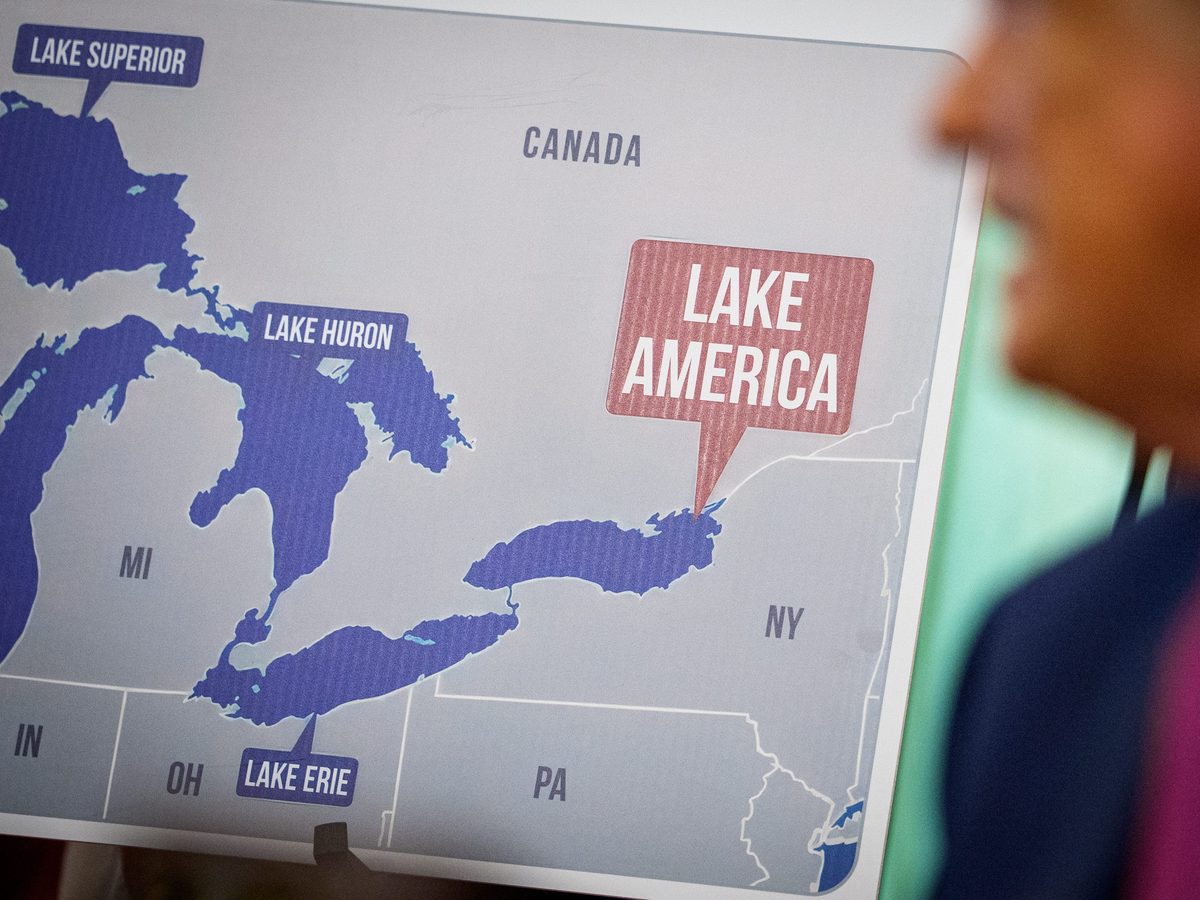
Google Maps has ignited a firestorm of controversy by rebranding Lake Ontario as Lake America for its users in the United States. This significant geographical alteration, prompted by a recent executive order from U.S. President Donald Trump, has been met with widespread condemnation, particularly from Canadian users and officials who view the change as a politically motivated act of misinformation.
Key Details
- Google Maps now displays Lake America for U.S. users and Lake Ontario (Lake America) for users in other countries, while Canadian users continue to see Lake Ontario.
- The change follows U.S. President Donald Trump's executive order on Thursday to rename Lake Ontario to Lake America.
- The U.S. Geographic Names Information System has formally updated its records to reflect the name change.
- Canadian politicians and government agencies are actively scrubbing their websites to ensure Lake Ontario is correctly identified, as many embedded Google Maps were displaying the new U.S. designation.
- The backlash on social media platform X (formerly Twitter) has been intense, with users calling the move “pathetic,” an act of “distributing misinformation,” and a sign of Google “bowing down” to political pressure.
Background
The genesis of this digital cartographic dispute lies in a U.S. executive order signed by President Donald Trump on Thursday. The order formally directed the U.S. Geographic Names Information System to change the name of the body of water, which straddles the border between Canada and the United States, from Lake Ontario to Lake America. This action appears to be part of a broader trend of nationalistic rebranding efforts, though the specific motivations behind renaming a major international waterway remain unclear.
Google, in its defense, stated that its Maps service updates are based on official government sources. Consequently, U.S. users accessing Google Maps would see the newly designated “Lake America,” while Canadian users would continue to see the established “Lake Ontario.” Users outside these two nations would be presented with a dual label: “Lake Ontario (Lake America).” This approach, while seemingly intended to reflect differing governmental designations, has inadvertently amplified the controversy.
Impact Analysis
The immediate impact has been a wave of public outrage and a scramble by Canadian authorities to correct the digital record. Social media platforms became a battleground, with users expressing dismay and anger. Comments ranged from accusations of Google “distributing misinformation” to critiques of the company’s perceived subservience to political directives. The sentiment was perhaps best encapsulated by one user who derisively labeled the service “Google Craps.”
The repercussions extended beyond online commentary. Canadian politicians, such as Stephen Crawford, a Member of Provincial Parliament for Ontario, highlighted that numerous Canadian government websites were inadvertently displaying “Lake America” due to their reliance on embedded Google Maps data. This necessitated a rapid review and correction process for these sites. Crawford emphasized a defiant stance, stating, “As Ontarians, we will always stand up for our province, our identity and the places that define it.” Ontario Premier Doug Ford echoed this sentiment, unequivocally declaring, “Make no mistake: Lake Ontario is and always will be Lake Ontario.”
“As Ontarians, we will always stand up for our province, our identity and the places that define it.”
Broader Context
This incident places Google Maps in a precarious position, caught between adhering to official governmental data and managing public perception. The company’s policy of reflecting regional name variations based on user location and governmental sources, while logical from a data management perspective, has proven problematic when those sources are politically charged. It raises questions about the responsibility of tech giants in curating geographical information and the potential for such platforms to become unwitting conduits for nationalistic or politically motivated narratives.
The situation also underscores the complex geopolitical realities of shared natural resources. Lake Ontario, a vital part of the Great Lakes system, is a shared asset between Canada and the United States. The unilateral renaming by one nation, and its subsequent adoption by a globally influential platform like Google Maps for its U.S. audience, highlights the potential for such actions to create friction and undermine established international understandings.
Future Outlook
It remains to be seen whether Google will adjust its policy regarding politically contentious geographical name changes. The company has stated that developers embedding Google Maps can select a region to localize the display, suggesting a degree of user control. However, the default setting for U.S. users has clearly caused significant backlash. The incident may prompt a re-evaluation of how Google handles such situations, potentially leading to more nuanced approaches that prioritize established international names or provide clearer disclaimers about politically influenced designations.
Canadian authorities are committed to ensuring their digital infrastructure accurately reflects the correct name. The swift response from provincial governments indicates a strong resolve to maintain their geographical identity. This episode serves as a case study in the intersection of technology, politics, and national identity, demonstrating how digital platforms can amplify and complicate geopolitical sensitivities.
Conclusion
The rebranding of Lake Ontario to “Lake America” by Google Maps for its U.S. audience is more than a simple map update; it is a potent symbol of the growing influence of political agendas on digital information landscapes. While Google asserts its adherence to official data sources, the controversy highlights the critical need for digital platforms to navigate the complexities of geopolitical sensitivities and public trust. The incident underscores the enduring significance of established geographical names and the strong emotional and national attachments they evoke, particularly in regions with shared borders and resources.
Source: businessinsider.com