Judge Halts Teen Pregnancy Grant Cuts Over Suspected AI-Generated Fake Sources
Introduction
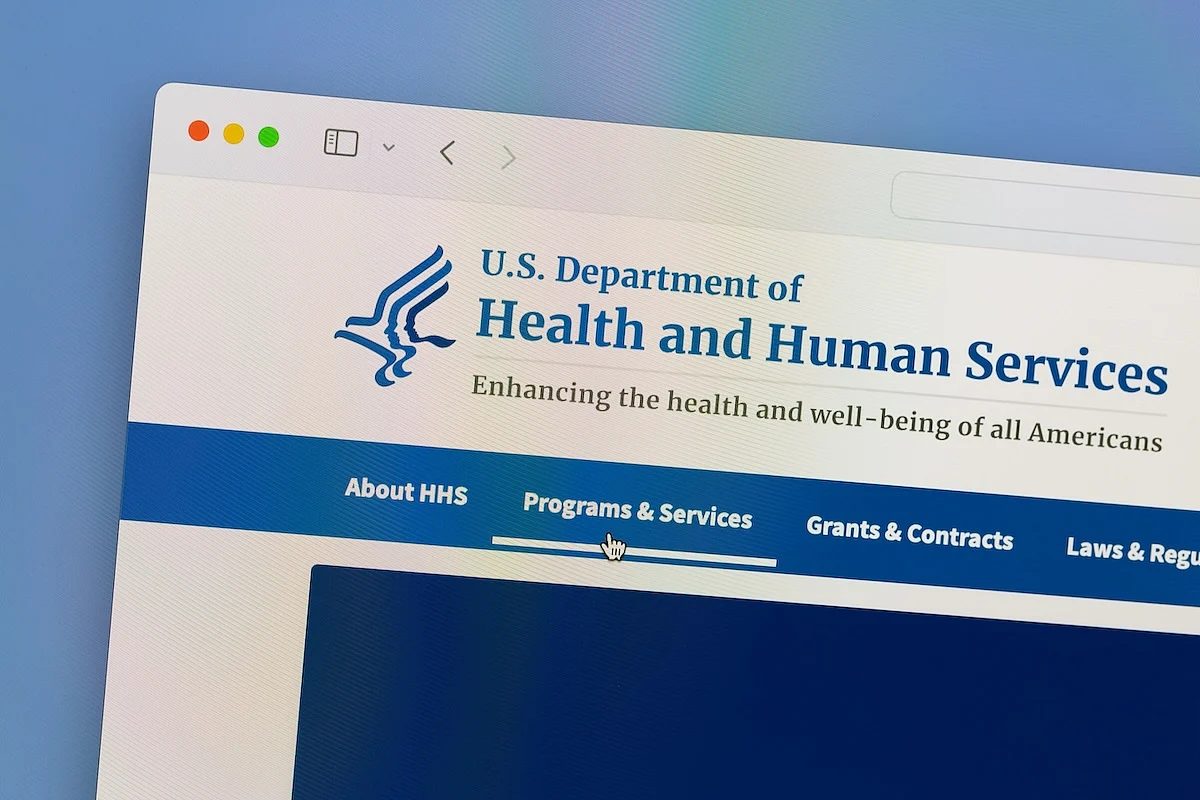
A significant legal battle has erupted over federal funding for teen pregnancy prevention programs, with a federal judge issuing a preliminary injunction to halt sweeping changes implemented by the U.S. Department of Health and Human Services (HHS). The core of the dispute lies in the government’s alleged use of fabricated or misrepresented scientific sources to justify its policy shift, raising serious questions about the integrity of federal rulemaking processes.
Key Details
- Grant Funding Halted: U.S. District Judge Christopher Cooper has granted a preliminary injunction, temporarily blocking HHS from implementing drastic changes to federal teen pregnancy prevention grants.
- Alleged Use of Fake Sources: The judge found that HHS based its new requirements on scientific studies that appear not to exist or do not support the claims made. He specifically noted that seven articles cited in the grant documents were problematic, with two seemingly invented and three others not found in their credited journals.
- Suspected AI Involvement: Judge Cooper pointed to the nature of the citations as a “hallmark of AI-generated citations,” suggesting that artificial intelligence tools may have been used to create plausible-sounding but ultimately false references.
- Policy Shift: The administration had stated that grant money should not encourage teen sexual activity and should instead fund only abstinence-only approaches and “body literacy.” The new rules also included a prohibition on what they termed “gender ideology.”
- Plaintiffs: The lawsuit was brought by a coalition including two county governments and various health care and education groups that operate prevention programs, who had already seen tens of millions of dollars in grants cut before filing suit in July.
- Legal Standard: The judge described the changes as “likely arbitrary and capricious” and stated the government failed to provide sufficient evidence to support its policy. A preliminary injunction is a temporary measure that pauses a policy during a lawsuit, without determining the ultimate outcome.
Background
The controversy centers on a shift in federal policy regarding grants designed to prevent teen pregnancies. Historically, these grants have supported a range of evidence-based programs. However, the current administration sought to redirect funding towards abstinence-only initiatives and concepts like “body literacy,” while also introducing restrictions on discussions of “gender ideology.” This pivot was accompanied by substantial cuts to existing grant allocations, impacting programs across multiple states that rely on this federal support. The plaintiffs argued that these changes were not only ideologically driven but also lacked a sound scientific basis, leading them to seek judicial intervention.
Impact Analysis
The judge’s decision to grant a preliminary injunction offers a crucial reprieve for the numerous community health organizations and local governments that depend on these federal grants. These programs often serve vulnerable populations and employ comprehensive strategies that go beyond abstinence-only education, incorporating elements like comprehensive sex education, access to contraception, and support services. The alleged use of fabricated sources by HHS undermines public trust in federal agencies and raises concerns about the scientific rigor underpinning policy decisions. If the court ultimately finds the agency acted improperly, it could set a precedent for greater scrutiny of government research and citation practices, particularly in the age of AI.
Broader Context
This incident is not an isolated case of questionable sourcing in federal health policy. The Washington Post previously reported that a significant assessment of children’s health, the “MAHA Report,” led by HHS Secretary Robert F. Kennedy Jr., also contained a substantial number of potentially AI-generated citations. A review of that report identified hundreds of scientific footnotes, with dozens leading to non-existent pages or studies. This pattern suggests a potential systemic issue within federal agencies regarding the verification of research and the potential misuse of AI tools in policy development. The increasing sophistication of AI in generating realistic text and citations makes verification a critical challenge for all institutions.
Future Outlook
The preliminary injunction means that the existing grant structures and funding levels will likely remain in place while the lawsuit proceeds. The case will now move towards a full trial where the court will examine the evidence more closely. The ultimate ruling could have significant implications for how federal agencies conduct research, cite evidence, and develop policy. It may also lead to stricter guidelines and oversight regarding the use of AI in governmental research and reporting. The HHS will need to present a robust defense and demonstrate the validity of its policy changes, potentially facing increased scrutiny from Congress and the public regarding its reliance on credible scientific data.
Conclusion
The temporary halt on cuts to teen pregnancy prevention grants, driven by a judge’s skepticism over potentially AI-generated fake sources, highlights a critical juncture in the intersection of technology, policy, and public health. The ruling underscores the necessity of evidence-based decision-making and the potential pitfalls of relying on unverified or fabricated information. As the legal process unfolds, the case serves as a stark reminder of the importance of transparency, scientific integrity, and rigorous oversight in government operations, especially in an era where artificial intelligence can both aid and deceive.
Source: drugs.com