Bangladesh Measles Outbreak Persists Despite Vaccination Efforts, Exceeding 1,000 Deaths
Introduction
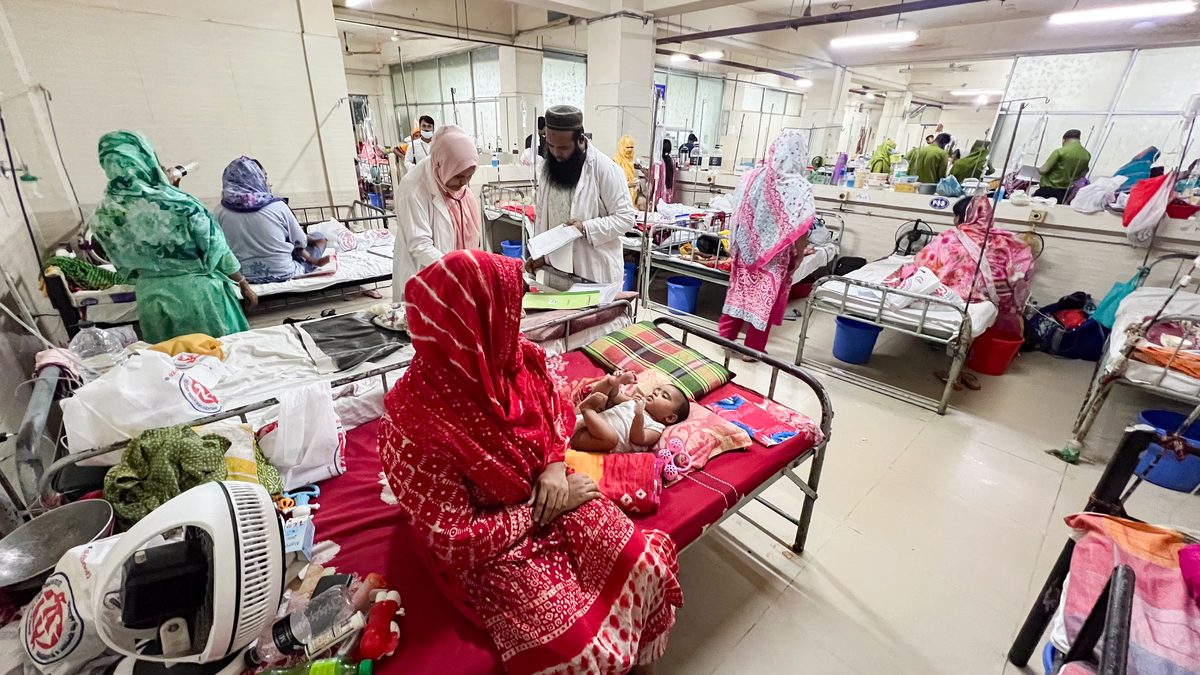
Earlier this year, Bangladesh found itself at the center of a devastating measles outbreak that captured international attention, with initial reports highlighting the tragic loss of over 500 young lives. The situation prompted a significant national vaccination drive with the ambitious goal of immunizing 18 million children. However, five months on, the outbreak shows no signs of abating, raising critical questions about the effectiveness of the response and the underlying challenges contributing to its persistence.
Key Details
- The measles outbreak in Bangladesh has resulted in over 1,000 child deaths since March 15.
- From January to June, Bangladesh recorded the highest number of measles cases globally, with 57,561 reported cases.
- A nationwide vaccination campaign aimed to immunize 18 million children aged 6 months to 5 years, but this target was insufficient.
- Health experts now estimate the actual target population needing vaccination is 22.6 million children.
- Approximately 72% of reported cases involved children who had received no doses of the two-dose measles vaccine, and 16% were partially vaccinated.
- Malnutrition significantly exacerbates measles severity and mortality in affected children.
- Bangladesh announced plans to vaccinate an additional 1.6 million children and procure 2.5 million more vaccine doses.
- Financial hardship is widespread among affected families, with nearly 90% borrowing money for treatment and 60% exhausting savings.
Background
The measles outbreak in Bangladesh escalated earlier this year, prompting a swift response from the government. In April, the Health Minister, Sardar Md. Sakhawat Husain, expressed cautious optimism, stating that the outbreak had somewhat decreased and anticipated further improvement with the launch of a nationwide vaccination campaign on April 20. This campaign was designed to reach 18 million children aged between six months and five years, irrespective of their prior vaccination status. The initial goal was met, with 18.4 million children vaccinated.
Impact Analysis
Despite the extensive vaccination efforts, the virus continues to spread relentlessly. By August, the Centers for Disease Control and Prevention (CDC) reported that Bangladesh had the highest number of measles cases worldwide between January and June, totaling 57,561. The daily toll remained alarming, with authorities recording 1,162 suspected and 94 confirmed cases in a single 24-hour period on August 31. By September 9, the cumulative number of child deaths from suspected or confirmed measles since mid-March surpassed 1,000, according to the Directorate General of Health Services.
The persistence of the outbreak is largely attributed to an underestimation of the required vaccination coverage. Health experts now believe that the actual target population needing immunization is closer to 22.6 million children, not the initially planned 18 million. This significant immunization gap has provided the highly contagious virus ample opportunity to spread. Tajul Abdul Bari, a vaccine expert and former program manager for the government's Expanded Programme on Immunization, emphasized the need for continued vigilance and new vaccination campaigns, potentially extending the age range to cover children up to 10 years old, a strategy previously employed in 2014. Dr. Javid Abdelmoneim of Médecins Sans Frontières International underscored the critical role of vaccination, stating, “The management of a measles outbreak is vaccinating. Vaccinate, vaccinate, vaccinate.” He further highlighted the virus's extreme transmissibility, noting that “one case of measles can affect 100 others.”
Compounding the problem is the widespread malnutrition in Bangladesh. This condition weakens children's immune systems, making them more susceptible to severe illness and death from measles. Colonel Latifa Rahman, director of Mohakhali DNCC Hospital, noted that children who are underweight or have multiple concurrent medical conditions experience worse outcomes. Malnutrition can also diminish the effectiveness of vaccines, further complicating control efforts.
Broader Context
The situation in Bangladesh is emblematic of broader global challenges in infectious disease control, particularly in low- and middle-income countries. Factors such as population density, socioeconomic disparities, and the strain on healthcare systems can create fertile ground for outbreaks to take hold and persist. The underestimation of target populations for vaccination campaigns, as seen in Bangladesh, points to potential weaknesses in epidemiological data collection and outbreak modeling. Furthermore, the interconnectedness of health issues is highlighted by the impact of malnutrition, demonstrating how underlying public health challenges can amplify the effects of specific diseases.
Future Outlook
In response to the ongoing crisis, Bangladesh announced on August 18 its intention to vaccinate an additional 1.6 million children. The government is also actively procuring another 2.5 million vaccine doses to prevent future shortages, collaborating with UNICEF on this effort. However, the path to full control remains arduous. State Minister for Health Dr. M.A. Muhit acknowledged on August 19 that “there is no scope for unrealistic assurances.” He projected that even with doubled vaccination pace, it could take another two to three months to bring the outbreak under control. This suggests that the immediate future will likely see continued efforts to bolster immunization coverage while managing the ongoing cases.
Conclusion
The measles outbreak in Bangladesh serves as a stark reminder of the fragility of public health gains and the persistent threat posed by vaccine-preventable diseases. Despite significant efforts, the virus's tenacious grip highlights the critical need for accurate population data, robust healthcare infrastructure, and sustained vaccination campaigns that reach every child. The devastating toll on children and families, both in terms of lives lost and economic hardship, underscores the urgency of addressing these challenges comprehensively. The financial strain on families, with nearly nine out of ten borrowing money for treatment and six out of ten exhausting their savings, is a critical secondary impact. As Sonakshi Dey of the IFRC noted, caregivers lose income, and for low-income households, even short work interruptions have severe consequences for wellbeing and food security. The poignant words of Toriqul Islam, who lost his infant son, echo the profound grief and desperation felt by many: “Let the government do whatever they want, but all I want is for no one to die.” This sentiment encapsulates the human cost of the ongoing epidemic and the imperative for a complete and effective resolution.
Source: npr.org