CDC's Handling of Measles Deaths Raises Alarms Amid Resurgent Disease Threats
Introduction
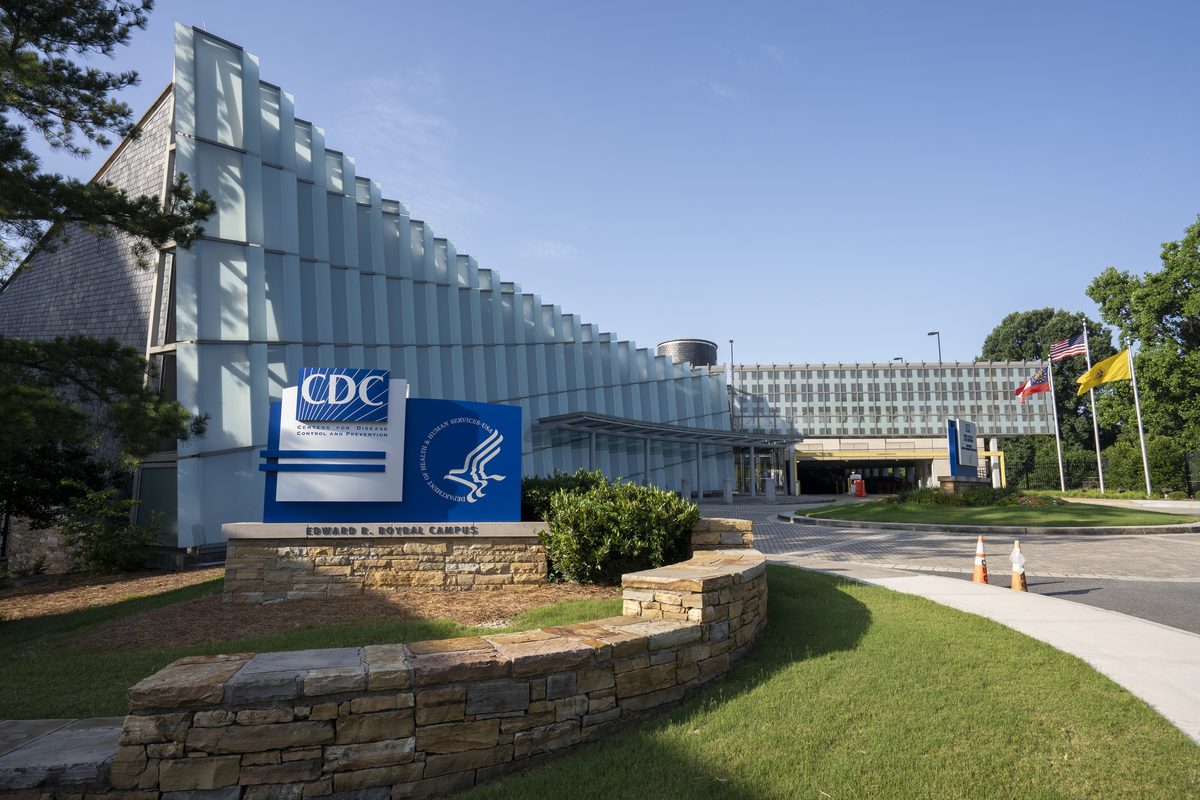
The United States is facing a concerning resurgence of measles, a highly contagious disease, at a time when vaccination rates have been declining. This backdrop, coupled with the persistent threats of influenza, COVID-19, and RSV, has amplified anxieties among public health experts regarding the reliability of information disseminated by the Centers for Disease Control and Prevention (CDC). The agency's recent handling of two measles-related deaths in Pennsylvania has become a focal point for these concerns, sparking fears of political interference and a potential erosion of trust in federal health guidance.
Key Details
- The U.S. is experiencing its worst measles outbreak in decades, coinciding with a drop in vaccination rates.
- Two measles deaths in Pennsylvania, initially reported to the CDC, were subsequently questioned by Health and Human Services Secretary Robert F. Kennedy Jr. and removed from the CDC's website.
- Dr. Demetre Daskalakis, former director of the CDC's National Center for Immunization and Respiratory Diseases, resigned citing political interference and calling the handling of the deaths “highly problematic” and “dangerous.”
- Dr. Anne Zink, a public health official, highlighted a breakdown in coordination and trust between states and the federal government, amplified by these measles cases.
- Concerns exist that the CDC might suppress data on other diseases like flu, COVID-19, and RSV due to political pressure, impacting public health decisions.
- Dr. Erica Schwartz, the new CDC director, faces skepticism about her ability to resist political influence, with critics suggesting she is facilitating non-scientific behavior.
- Dr. Debra Houry, who resigned alongside Daskalakis, urged the CDC director to publicly advocate for vaccination, especially for kindergartners, rather than focusing on disease counts.
Background
Traditionally, when a death is attributed to measles, the state where the death occurred determines the cause and reports it to the CDC. The federal agency typically defers to these state-level determinations, using the information to alert the broader public health community. However, the recent dispute initiated by Secretary Kennedy Jr. over the Pennsylvania measles deaths, and the CDC's subsequent removal of this data, represents an unprecedented departure from this norm. This action has raised questions about the integrity of the data reporting process and the potential for external influences to shape public health messaging.
Impact Analysis
The implications of the CDC's actions are far-reaching. Firstly, it potentially damages the crucial collaborative relationship between state and federal health agencies. This partnership is essential for effective disease surveillance, outbreak response, and public health protection. A breakdown in trust, as noted by Dr. Zink, can hinder coordinated efforts, leaving communities more vulnerable. Secondly, it casts a shadow over the public's trust in the CDC's data. If the agency is perceived as susceptible to political pressure or prone to altering data, individuals, healthcare providers, and local officials may become hesitant to rely on its guidance for other infectious diseases, including ongoing threats like COVID-19 and seasonal flu. This could lead to poorer health outcomes as people become uncertain about the risks and necessary precautions.
Broader Context
This situation unfolds against a backdrop of declining public health infrastructure and trust, exacerbated by the previous administration and the COVID-19 pandemic. The CDC, once a globally respected institution, has faced criticism for its handling of the pandemic and perceived political interference. The resignation of senior officials like Daskalakis and Houry underscores deep-seated issues within the agency. Furthermore, the rise of vaccine hesitancy and misinformation campaigns globally adds another layer of complexity. The CDC's perceived wavering on data integrity in the face of measles deaths could inadvertently fuel these anti-vaccination sentiments, making it even harder to combat preventable diseases.
Future Outlook
The future credibility of the CDC hinges on its ability to navigate these challenges transparently and decisively. The new director, Dr. Erica Schwartz, faces a critical juncture. Restoring trust will require a demonstrable commitment to scientific integrity, pushing back against political interference, and fostering open communication with both the public and state health departments. Public health experts emphasize the need for the CDC to proactively address declining vaccination rates and to publicly champion evidence-based public health measures. Failure to do so could lead to a further erosion of its authority, making it increasingly difficult to manage future public health crises effectively.
Conclusion
The CDC's response to the recent measles deaths in Pennsylvania has ignited serious concerns about the agency's reliability and independence. Amidst rising infectious disease threats and falling vaccination rates, any perceived compromise in data integrity or political interference poses a significant risk to public health. Rebuilding trust requires a steadfast commitment to scientific principles, transparent communication, and robust collaboration between federal and state health authorities. The effectiveness of the CDC's leadership and its ability to safeguard public health in the coming years depend heavily on how these fundamental issues are addressed.
Source: npr.org