Whale Watching Leads to Discovery of Humpback Maternity Ward in Great Barrier Reef
Introduction
In 2009, a curious phenomenon observed by Australian tourism operators in the Whitsundays, a picturesque region nestled between the Great Barrier Reef and the mainland, sent ripples of intrigue through the scientific community. Humpback whales, usually known for their acrobatic surface displays, were repeatedly seen engaging in a peculiar behavior dubbed “fluking”—a state where the whale floats upside down, its massive tail fluke held high above the water. This unusual display, never before documented on such a scale, prompted tourism professionals to seek answers from marine biologists, igniting a collaborative research effort that would ultimately unveil a significant ecological secret of the Great Barrier Reef.
Key Details
- Tourism operators in Australia’s Whitsundays reported increased sightings of humpback whales exhibiting unusual “fluking” behavior in 2009.
- This citizen science observation triggered a joint research initiative involving tourism operators and marine scientists.
- Research included whale and calf counts, seafloor mapping, water temperature monitoring, satellite whale tracking, and aerial surveys.
- The study identified the Whitsundays as a crucial, previously unrecognized, calving area for humpback whales.
- The fluking behavior was identified as a form of breeding display associated with this calving ground.
- The findings led to the establishment of the Whitsundays Whale Heritage Area within the Great Barrier Reef Marine Park.
Background
The Whitsundays, a collection of islands off Australia’s northeastern coast, had long been a popular spot for whale watching. Humpback whales (Megaptera novaeangliae) are renowned for their proximity to shore and their engaging surface activities, making them a favorite among tourists. These majestic creatures undertake extensive migrations, and their breeding and calving grounds are vital for species survival. However, the specific locations where humpback whales give birth and nurse their young along the Great Barrier Reef remained a significant enigma for decades. The unexpected fluking behavior observed by those who spend their lives on the water—the tour guides and boat operators—provided the crucial, albeit puzzling, initial clue.
“It was an unusual behaviour they had never seen before. Not even the whale scientists knew what it meant at the time,” Crystal Lacey, Master Reef Guides program manager, stated. “So that uncertainty sparked a major research effort, which combined citizen science through the tourism operators’ observations, and scientific research. It was one of the region’s largest citizen science efforts.”
Impact Analysis
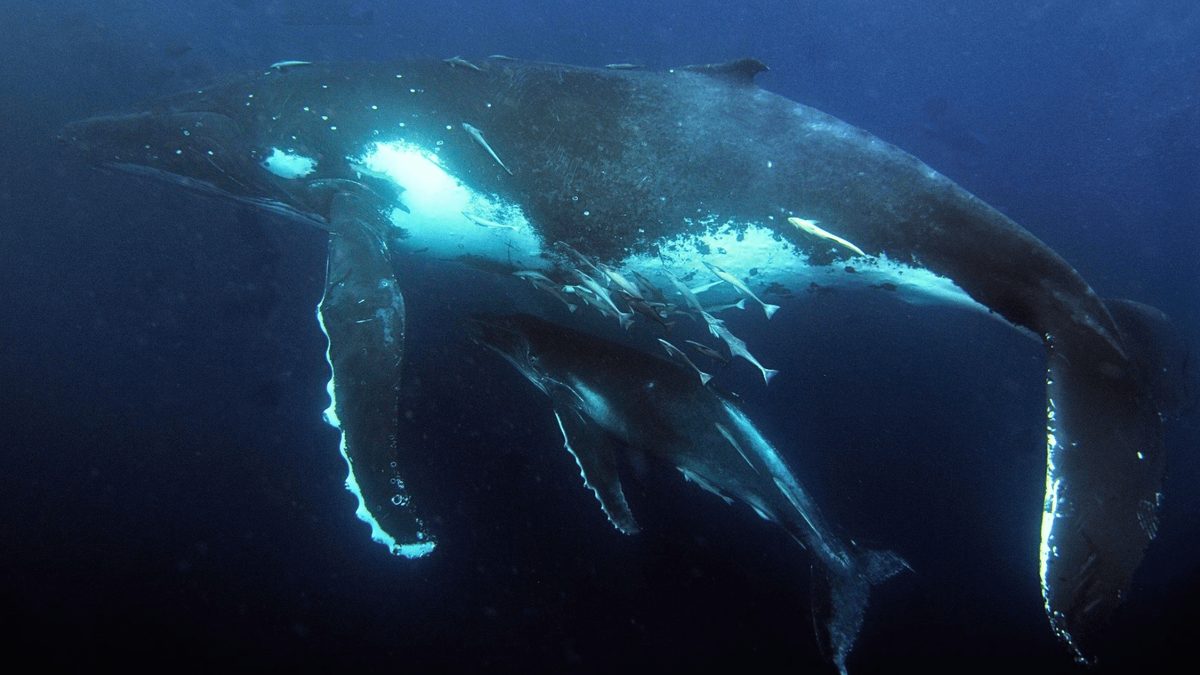
The collaborative research, a powerful example of citizen science in action, yielded groundbreaking results. The extensive data collected by both the public and scientists confirmed that the sheltered, warm, and shallow waters of the Whitsundays are not merely a transit zone but a vital maternity ward for humpback whales. The fluking behavior, initially a source of confusion, was reinterpreted as a display related to breeding and calving in these protected waters. This discovery resolved a long-standing mystery about humpback whale reproduction in the region and underscored the ecological significance of the Whitsundays. The direct impact of this finding was the formal recognition and protection of this area, leading to the designation of the Whitsundays Whale Heritage Area. This designation aims to enhance conservation efforts, manage human activities, and ensure the continued safety of mother whales and their calves.
Broader Context
Humpback whales inhabit all major oceans, and their life cycles are intrinsically linked to specific geographic locations for breeding and feeding. The discovery in the Whitsundays adds a critical piece to the global understanding of humpback whale migratory patterns and reproductive strategies. It highlights how human activities, particularly tourism, can inadvertently contribute to scientific understanding when coupled with systematic research. Furthermore, it emphasizes the importance of coastal ecosystems like the Great Barrier Reef as nurseries for marine megafauna. In an era of increasing anthropogenic pressures on marine environments, identifying and protecting critical habitats like calving grounds is paramount for the long-term survival of species like the humpback whale, which, despite recovering from historical whaling, still face threats from climate change, pollution, and shipping.
Future Outlook
The successful identification of the Whitsundays as a calving ground opens new avenues for research and conservation. Future efforts will likely focus on monitoring the health and population dynamics of the whales using this area, understanding the specific environmental factors that make it ideal, and assessing potential threats. The Whale Heritage Area status provides a framework for stricter management of tourism and other marine activities to minimize disturbance to the whales, especially during the sensitive calving season. Continued collaboration between scientists, tourism operators, and conservation bodies will be crucial in safeguarding this newfound maternity ward and ensuring the continued success of humpback whale populations in the region and beyond.
Conclusion
The story of the Whitsundays’ humpback whales is a compelling testament to the power of observation and collaboration. What began as a puzzling behavior observed by attentive locals evolved into a significant scientific discovery, revealing a hidden nursery for humpback whales within the Great Barrier Reef. This finding not only deepens our understanding of these magnificent creatures but also reinforces the critical need for protecting vital marine habitats. The transformation of a mystery into a protected heritage area serves as a powerful reminder that sometimes, the most profound insights come from unexpected sources, blending the keen eyes of citizen scientists with the rigorous methods of professional research.
Source: popsci.com