Whale Ingestion: Biologist Debunks Myth of Human Swallowing
Introduction
The scenario of a human being swallowed whole by a whale, a staple of biblical tales and cinematic adventures, has long captured the human imagination. From the prophet Jonah’s three days in a whale’s belly to Geppetto’s makeshift home inside Monstro in Disney’s Pinocchio, these narratives explore themes of survival, redemption, and the sheer power of nature. The upcoming film Whalefall, based on Daniel Kraus’s novel, revisits this trope, featuring a scuba diver swallowed by a sperm whale with only an hour to escape. However, as captivating as these stories are, the question remains: could such an event realistically occur?
Key Details
- Species Improbability: Sperm whales (Physeter macrocephalus) are physically incapable of swallowing a human whole. While accidental ingestions have occurred with species like humpback whales, these individuals were quickly expelled.
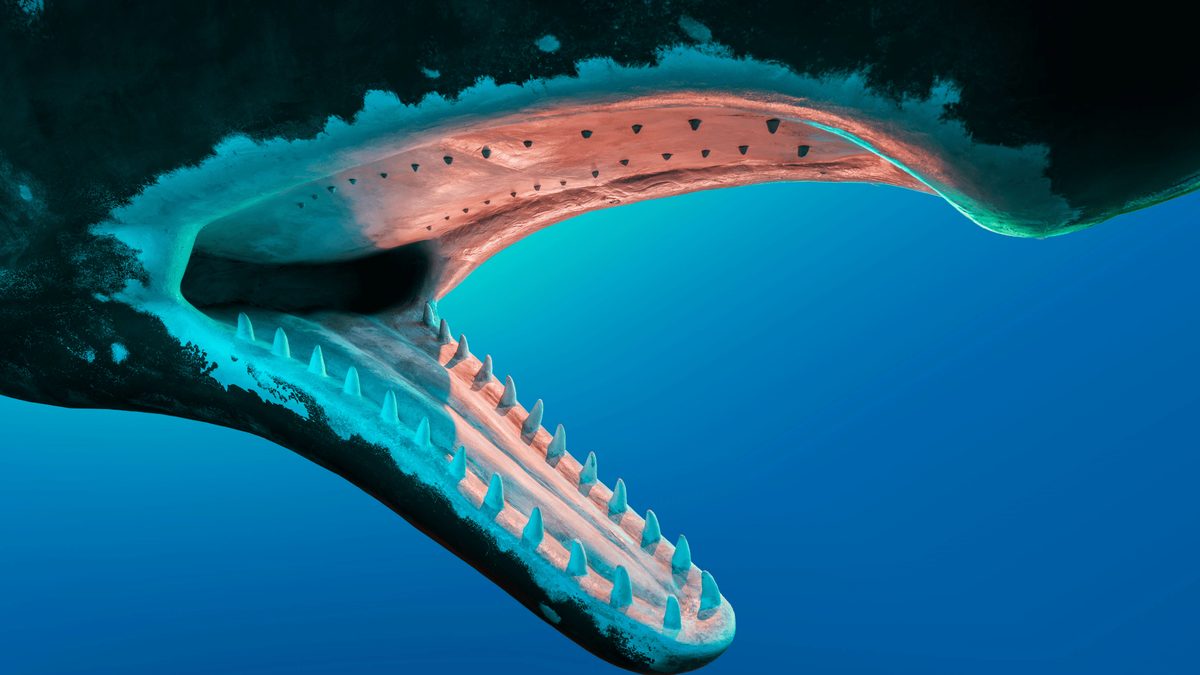
- Anatomical Limitations: Shane Gero, a biologist with Project CETI, explains that even the largest sperm whale would struggle to ingest a human, especially one equipped with scuba gear. The whale’s throat is not designed for such large prey.
- Feeding Habits: Sperm whales typically feed on deep-sea squid at depths of around 3,000 feet, far from where humans typically scuba dive. The premise of Whalefall involves a complex scenario where a whale surfaces to catch a giant squid that has entangled the diver.
- Sensory Perception: Sperm whales use echolocation, which would likely enable them to distinguish a human as an unusual object rather than typical prey.
- Survival Inside: If a human were somehow ingested, survival would be highly unlikely due to drowning, choking hazards (like scuba gear), the whale’s involuntary gag reflex, and the harsh digestive environment (acids and gases).
- Comparative Anatomy: Dr. Joy Reidenberg notes that a sperm whale’s stomach has four chambers, the first being muscular and designed for mashing food. While the larynx might offer a potential point of escape, overall survival is improbable.
- Other Engulfing Animals: While sperm whales cannot swallow humans, some snakes, like the reticulated python and potentially anacondas, are capable of engulfing human-sized prey, though often the prey is already deceased.
Background
The enduring fascination with being swallowed by a whale is deeply rooted in cultural narratives. The biblical story of Jonah is perhaps the most famous, serving as a powerful allegory for divine intervention and repentance. Later, fictional accounts like Pinocchio cemented the idea of a whale’s interior as a potential, albeit perilous, refuge. These stories often serve as metaphors for facing overwhelming challenges and finding a way back from the brink. The modern reimagining in Whalefall taps into this rich storytelling tradition, blending the primal fear of being consumed with the human drive for survival against impossible odds.
Impact Analysis
The scientific consensus, as articulated by experts like Shane Gero and Dr. Joy Reidenberg, firmly places the scenario of a human being swallowed by a sperm whale in the realm of fantasy. The primary reasons are anatomical and behavioral. Sperm whales possess relatively narrow throats, adapted for consuming soft-bodied prey like squid. While they are massive creatures, their gullets are not designed to accommodate the bulk of a human, particularly one encumbered by diving equipment. Furthermore, their feeding strategies, relying on echolocation to identify prey, make mistaking a human for food highly improbable. Even in the rare instances of accidental ingestion by other whale species, such as humpbacks, the individuals involved were not truly swallowed but rather briefly trapped and then expelled, a process Gero describes as a “mistake” rather than ingestion.
“I wouldn’t call that swallowed,” Shane Gero, a whale biologist and Lead Biologist at Project CETI, tells Popular Science. “I would call that a mistake by both the mammals involved.”
The internal environment of a sperm whale’s stomach presents further insurmountable obstacles. Divided into four chambers, the initial chamber is a muscular organ designed for grinding food. The presence of strong digestive acids and gases would be immediately lethal. Moreover, the whale’s own physiological responses, such as gagging or regurgitation when encountering an indigestible object, would likely cause severe physical trauma to any human inside. The narrative convenience of a human surviving within a whale, therefore, requires a significant suspension of disbelief, overriding biological realities for the sake of dramatic storytelling.
Broader Context
The enduring appeal of whale-related myths may also be influenced by the historical relationship between humans and whales. For centuries, whaling was a significant industry, leading to a complex dynamic of fear, exploitation, and awe. Stories of encounters with whales, whether real or imagined, often reflected these power dynamics. Gero suggests that historical tales might have served as cautionary lessons for whalers rather than accurate accounts of whale behavior. In contemporary culture, films like Whalefall continue this narrative tradition, albeit with a focus on the whale as a formidable, yet ultimately non-malicious, force of nature. This contrasts sharply with the reality of sperm whales, which Gero describes as “gentle giants” with no inherent aggression towards humans. The project’s efforts to decipher sperm whale communication highlight a growing scientific and public interest in understanding these animals beyond the myths.
Future Outlook
While the specific scenario of a human being swallowed by a sperm whale remains a fictional construct, the cultural fascination it represents is likely to persist. Future narratives may continue to explore the theme of human vulnerability against the vastness of the ocean and its inhabitants. However, there is also a growing emphasis on scientific understanding and conservation. As researchers like those at Project CETI work to decode sperm whale communication and behavior, popular culture may increasingly reflect a more accurate and nuanced portrayal of these magnificent creatures. Movies like Whalefall, while using dramatic license, can serve as a gateway for audiences to learn more about the real lives of whales, fostering a greater appreciation for their intelligence and their crucial role in marine ecosystems. The ongoing dialogue between scientific discovery and storytelling promises to shape our perception of marine life, moving from sensationalism towards informed respect.
Conclusion
The idea of a human surviving inside a sperm whale, while a compelling narrative device, is biologically implausible. Expert testimony from marine biologists and anatomists confirms that the physical structure of a sperm whale, its feeding habits, and its internal environment make such an event virtually impossible. While other animals, such as large constrictor snakes, can indeed engulf humans, the sperm whale is not among them. The enduring power of these stories lies in their metaphorical resonance, exploring themes of survival and the sublime power of nature. As our scientific understanding of whales deepens, future representations may lean more towards factual accuracy, encouraging a greater appreciation for these intelligent marine mammals rather than perpetuating myths of improbable encounters.
Source: popsci.com