US Envoys Seek Peace in Kyiv Amidst Escalating Russia-Ukraine Conflict
Introduction
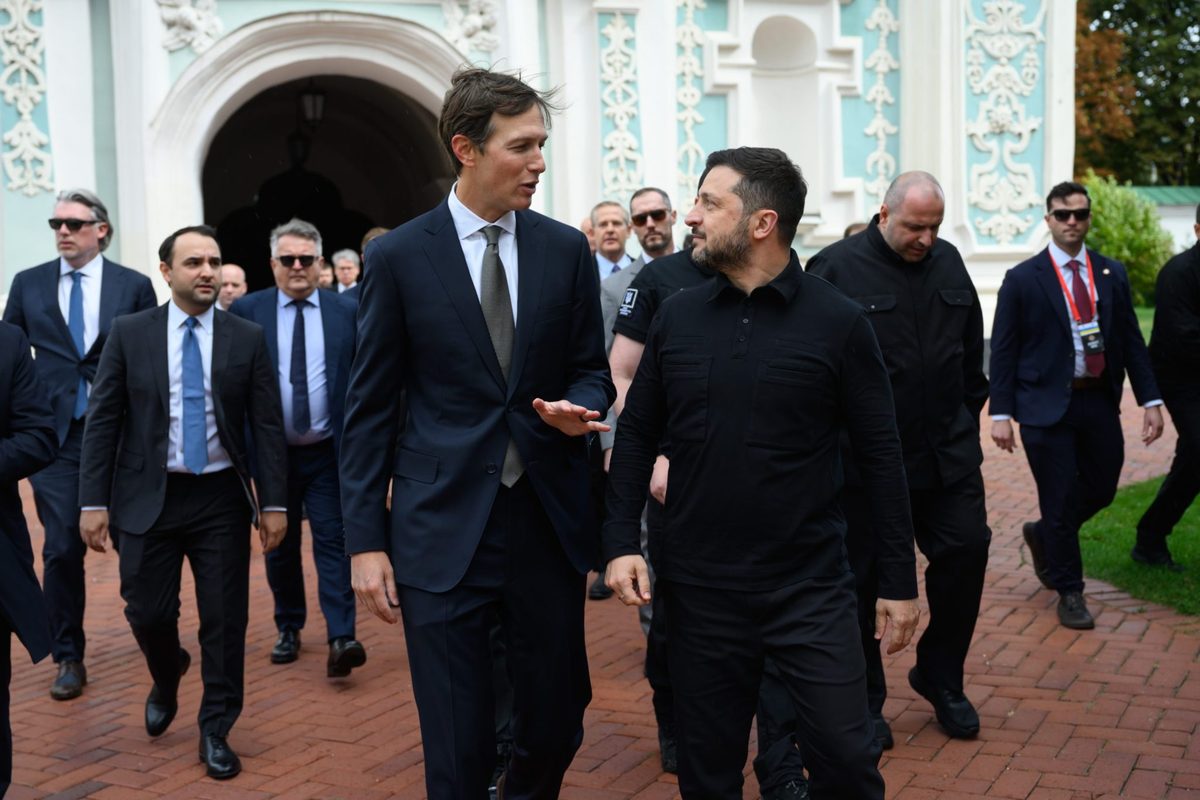
United States envoys Steve Witkoff and Jared Kushner landed in Kyiv on Sunday, marking their first official visit to Ukraine as part of a renewed diplomatic effort to end the protracted conflict. This mission comes more than four and a half years after Russia launched its full-scale invasion, a period characterized by intense fighting and significant human cost. The visit follows a high-stakes meeting with Russian President Vladimir Putin in Moscow on Saturday, which, according to initial reports, failed to yield any significant breakthroughs. The timing of the envoys' arrival underscores the urgency of the situation, as both Ukraine and Russia have recently escalated their aerial attacks, turning the skies into a theater of ongoing hostilities.
Key Details
- US envoys Steve Witkoff and Jared Kushner arrived in Kyiv on Sunday for peace talks.
- Their visit follows a meeting with Russian President Vladimir Putin in Moscow on Saturday.
- The Moscow talks, lasting over three hours, concluded without major announcements.
- Ukrainian President Volodymyr Zelenskyy expressed readiness for constructive discussions, emphasizing the need for peace and security guarantees.
- Both sides have continued to exchange aerial attacks despite discussions.
- Russia launched 108 drones and six missiles overnight, with Ukraine intercepting 82 drones.
- A Ukrainian drone strike in Russia's Belgorod region killed one person.
- Russian officials claim to have shot down 258 Ukrainian drones over Russian territory and occupied Crimea.
- European partners from France, Germany, and the UK were also present in Kyiv.
Background
The current diplomatic push by the United States aims to inject new momentum into peace efforts that have largely stalled over the past six months. The Trump administration's focus had reportedly shifted towards the Iran war, potentially diverting attention from the Ukraine conflict. Meanwhile, the situation on the ground remains dire. Russia has deployed advanced, jet-powered drones, while air-raid sirens have become a grim daily reality for residents of Kyiv. The front lines, stretching approximately 1,250 kilometers (775 miles), have seen limited progress from either side, underscoring the attritional nature of the war. The visit by Witkoff and Kushner, who previously met with Putin in January, signifies a renewed, albeit challenging, attempt to find a diplomatic off-ramp.
Impact Analysis
The arrival of US envoys in Kyiv, immediately following inconclusive talks in Moscow, highlights the complex and often contradictory nature of international diplomacy in wartime. While President Zelenskyy has signaled an openness to dialogue, stating that Ukraine is prepared for “constructive” discussions and has its proposals ready, the continued exchange of fire paints a starkly different picture. The fact that both sides agreed to a temporary pause in strikes on each other's capitals during the talks, yet violated it, demonstrates the deep mistrust and the difficulty in establishing even the most basic confidence-building measures. The high number of drones intercepted by Ukraine suggests a significant Russian aerial campaign, while Ukrainian drone strikes within Russia, though less frequent, indicate a growing capability to project force beyond its borders. The human cost of these exchanges is undeniable, with casualties reported on both sides, underscoring the immediate need for de-escalation.
“We are interested in bringing the end of the war closer. Peace is needed. Security guarantees are needed. A just and sustainable postwar peace is needed. Our proposals are prepared,” said Ukrainian President Volodymyr Zelenskyy.
Broader Context
This diplomatic overture occurs within a broader geopolitical landscape marked by shifting alliances and persistent global instability. The war in Ukraine has had far-reaching consequences, impacting global energy markets, food security, and international relations. The involvement of European partners like France, Germany, and the United Kingdom in Kyiv alongside the US delegation suggests a coordinated Western approach, aiming to present a united front to both Ukraine and Russia. However, the limited success of the Moscow talks, which reportedly included discussions on economic issues and joint projects beyond the immediate conflict, indicates that Russia may be seeking to leverage the situation for broader strategic gains. The international community remains divided on how best to achieve a lasting peace, with some advocating for continued military support for Ukraine and others pushing for more aggressive diplomatic solutions.
Future Outlook
The immediate future remains uncertain. The success of the US envoys' mission will likely depend on their ability to bridge the significant gap between Russian and Ukrainian demands. President Zelenskyy’s emphasis on “just and sustainable postwar peace” and security guarantees suggests that Ukraine will not compromise on its core sovereignty and territorial integrity. Russia, on the other hand, has shown no signs of abandoning its objectives. The ongoing aerial exchanges serve as a grim reminder that the conflict is far from over. However, the very act of diplomatic engagement, however fraught with difficulty, offers a sliver of hope. The presence of European allies in Kyiv could also strengthen Ukraine's negotiating position. Ultimately, a lasting resolution will require sustained diplomatic pressure, a willingness from all parties to make difficult concessions, and potentially a shift in the military balance on the ground.
Conclusion
The arrival of US envoys Witkoff and Kushner in Kyiv represents a critical juncture in the ongoing Russia-Ukraine war. While the immediate prospects for a breakthrough appear slim, given the continued hostilities and the inconclusive nature of the Moscow talks, the diplomatic engagement itself is significant. The Ukrainian leadership has reiterated its desire for peace, but with essential conditions. The international community, particularly the United States and its European allies, faces the immense challenge of navigating a complex conflict with profound global implications. The coming days and weeks will reveal whether this renewed diplomatic push can alter the trajectory of a war that has already inflicted immense suffering and continues to destabilize the region and beyond.
Source: fortune.com