Top Meal Delivery Services: Expert Tested for Convenience and Taste
Introduction
In the fast-paced modern world, the allure of a home-cooked meal often clashes with the reality of limited time and energy. Meal delivery services and meal kits have emerged as a popular solution, promising convenience without sacrificing quality. This article delves into the findings of an extensive two-year testing period conducted by a former restaurant critic, who evaluated numerous services to identify the best options available. The goal was to find services that not only simplify meal preparation but also make dining at home an enjoyable experience, moving beyond the monotony of repetitive dishes.
Key Details
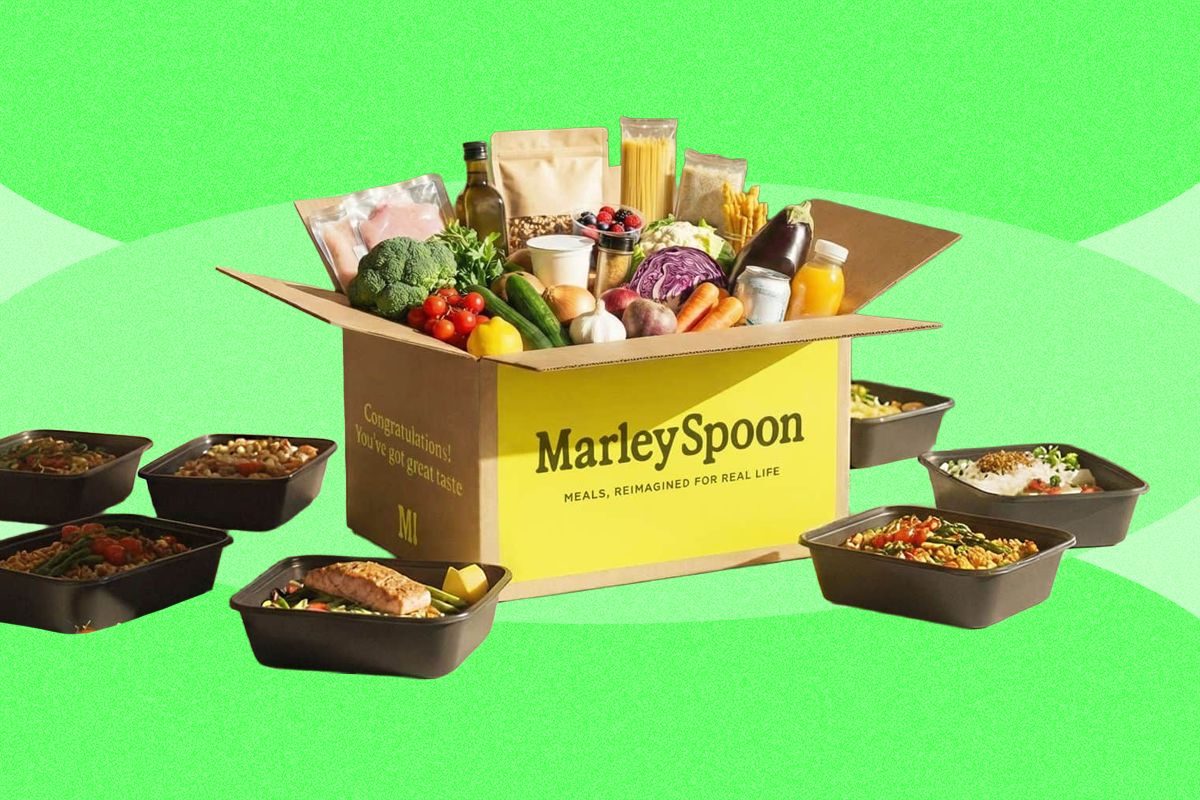
- Marley Spoon: Praised for delivering genuinely good home-cooked meals, especially for those seeking inspiration.
- Home Chef: Offers the greatest flexibility for busy families at an affordable price point.
- EveryPlate: Identified as the best option for individuals on a tight budget.
- Green Chef: Recommended for those prioritizing healthful, tailored diets, including true gluten-free options.
- CookUnity: The top choice for prepared meals, requiring minimal effort to heat and serve.
- Sunbasket: Focuses on fresh, organic ingredients with diverse menus and accurate prep times, though it is a more expensive option.
- Gardencup: Offers convenient, ready-to-eat salads and soups, ideal for healthy eating on the go, but with limited variety and sourcing transparency.
- Factor: A prepared meal service from HelloFresh, offering fresh, never-frozen meals that taste like high-quality leftovers, with proteins being a strong suit.
- Wildgrain: A monthly subscription box delivering par-baked breads and pastries from artisan bakeries, requiring home finishing for ultimate freshness.
- Tovala: Features a unique offering of meal kits paired with a compact steam oven, delivering delicious results and an affordable appliance after a six-week commitment, though it can be high in sodium.
Background
The evaluation process was comprehensive, assessing recipes, selection breadth, ingredient sourcing, ease of preparation, convenience, organization, packaging, ingredient quality, and suitability for various dietary restrictions. The critic tested both established services and innovative newcomers, aiming to provide a clear picture of the market. Pricing transparency was also a key consideration, addressing a common frustration among consumers. The testing was updated in September 2026, incorporating new rounds of evaluation and reflecting changes in services like Green Chef, CookUnity, Factor, GardenCup, HelloFresh, and Blue Apron.
Impact Analysis
Meal delivery services offer a spectrum of benefits, from saving time and reducing food waste to encouraging healthier eating habits and introducing culinary variety. For busy professionals and families, they can transform weeknight dinners from a chore into a pleasure. The cost-effectiveness varies; while meal kits might seem pricier than raw groceries, they often prove economical when considering the cost of individual spice and sauce containers and the reduction in spoilage. Compared to takeout, meal kits are generally more nutritious and less expensive. The services also provide a structured way to try new recipes, expanding one's cooking repertoire and breaking free from culinary ruts.
“Quite simply, the best meals I've eaten from a meal kit have come from Marley Spoon, which offers a path to genuinely good home-cooked meals on nights when I might otherwise feel uninspired.”
Broader Context
The meal kit industry has evolved significantly, moving beyond basic meal assembly to cater to diverse dietary needs, including plant-based, gluten-free, keto, and low-FODMAP diets. Services like Green Chef and ModifyHealth highlight this trend, positioning food as a tool for health management. The rise of prepared meal services like CookUnity and Factor addresses the need for even greater convenience, offering restaurant-quality meals that require only reheating. Furthermore, niche services like Wildgrain focus on elevating home dining through high-quality baked goods, while Nurture Life targets the specific needs of families with children. The competitive landscape also sees innovation in appliances, as seen with Tovala's integrated oven system.
Future Outlook
The future of meal delivery services likely involves further personalization, with an increased focus on catering to highly specific dietary requirements and preferences. Sustainability in packaging and sourcing will continue to be a critical factor for consumers. We may also see greater integration with smart home technology, enhancing the cooking and ordering experience. As the market matures, expect continued innovation in both meal kit formats and prepared meal options, with a persistent emphasis on balancing convenience, health, and flavor. Services that can adapt to evolving consumer demands for customization and ethical practices will likely lead the pack.
Conclusion
The landscape of meal delivery services is rich and varied, offering solutions for nearly every lifestyle and dietary need. From the gourmet-inspired kits of Marley Spoon to the ultra-convenient prepared meals from CookUnity, and the budget-friendly options like EveryPlate, consumers have more choices than ever. The expert testing underscores that while cost is a factor, the true value lies in convenience, quality, and the ability to consistently enjoy delicious, home-cooked meals. By understanding individual priorities—whether it's flexibility, health, budget, or pure taste—consumers can navigate this market to find the perfect service to simplify and enhance their dining experience.
Source: wired.com