Taliban's Escalating Public Floggings: Over 2,700 Documented Cases Since 2022
Introduction
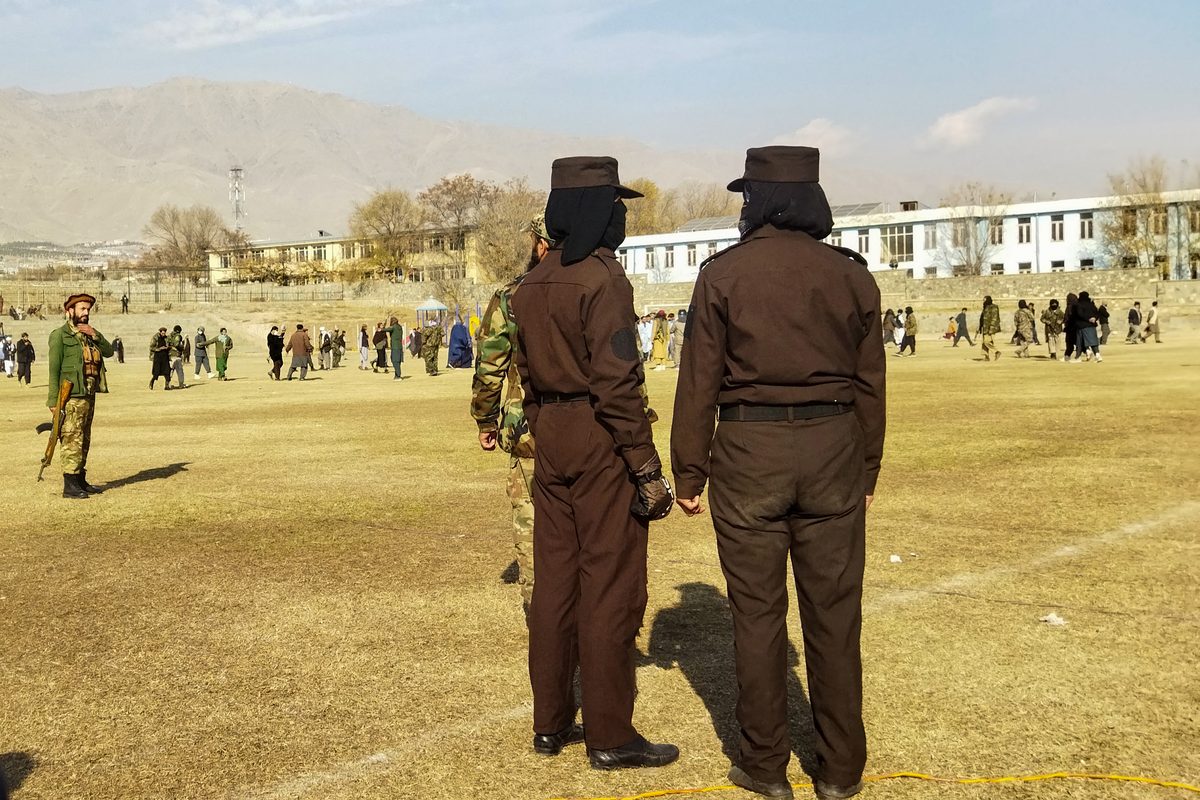
The Taliban's return to power in Afghanistan has been marked by a stark reintroduction of severe corporal punishments, including public flogging and stoning. While these practices were foreshadowed by statements from the Taliban's supreme leader, Hibatullah Akhundzada, recent reports confirm a significant escalation. An investigation by the Afghanistan Human Rights and Democracy Organization (AHRDO) has documented a disturbing rise in these brutal penalties, raising serious concerns about human rights violations and the erosion of legal standards within the country.
Key Details
- Between February 2022 and April 2026, AHRDO documented 2,745 individuals subjected to corporal punishment, based on Taliban's public records.
- A United Nations report in March 2026 corroborated these findings, citing at least 1,110 flogging cases in 2025 alone, exceeding all previous years combined.
- These figures may represent an undercount, as many instances of on-the-spot punishment, particularly for women violating dress codes, might not be officially recorded.
- Women and marginalized groups, including the LGBT community, are disproportionately affected by these punishments, often for charges that violate fundamental human rights under international law.
- The Taliban's justice system, as evidenced by these cases, lacks due process, fair trial rights, and legal representation, with women entirely excluded from judicial roles.
Background
The Taliban's ideology has consistently favored harsh interpretations of Sharia law, including corporal punishments for perceived transgressions. Following their takeover in August 2021, these pronouncements became a grim reality. Supreme leader Hibatullah Akhundzada explicitly stated in March 2024 that the administration would implement flogging and stoning for certain crimes. This was not merely rhetoric; it signaled a return to practices that characterized their previous rule and were widely condemned by the international community. The AHRDO report provides concrete data, drawn from the Taliban's own official communications, to illustrate the scale of this implementation.
Impact Analysis
The consequences of these public punishments are far-reaching and devastating. Beyond the immediate physical pain and trauma, victims face profound social ostracization. For women, a flogging or imprisonment can irrevocably damage their reputation, hindering their ability to reintegrate into family and community life. Access to medical help for injuries sustained is often difficult, compounding their suffering. Furthermore, the public nature of these acts normalizes violence, instills widespread fear, and fosters self-censorship among the population. This creates a climate of intimidation that serves as a powerful tool for social control, as highlighted by Amnesty International's Samira Hamidi.
“The floggings are an important aspect of administration of justice in the Taliban's eyes. It's a very important element of how they see justice, the rule of law and how they use it to control and repress the population.”
Broader Context
The rise in corporal punishment is intrinsically linked to the systematic dismantling of Afghanistan's legal infrastructure since the Taliban regained control. International human rights lawyers, such as Haydee Dijkstal, emphasize that these practices constitute cruel, inhuman, or degrading treatment, violating Afghanistan's obligations under international human rights treaties to which it remains a signatory. The absence of an independent judiciary, coupled with the complete removal of women from legal professions—over 270 women judges and 1,500 registered female lawyers dismissed—ensures a complete lack of due process. Crimes that are protected human rights under international law, such as women appearing in public without a male guardian or same-sex relations, are now grounds for severe punishment. This creates a dangerous cycle where victims of abuse, including rape, are themselves charged with moral crimes when seeking justice.
Future Outlook
The current trajectory suggests a continued reliance on brutal enforcement mechanisms by the Taliban. The systematic exclusion of women from public life and the justice system, combined with the pervasive use of corporal punishment, points towards a future where fear and repression are the dominant modes of governance. While activists like Shaharzad Akbar express hope that the Taliban's rule is not permanent, the long-term psychological impact on communities—the normalization of violence and the inculcation of trauma, anger, and resentment—poses a significant challenge to any future reconciliation and rebuilding efforts. Breaking this cycle of violence and trauma will require sustained international pressure and a commitment to establishing a justice system grounded in human rights and the rule of law.
Conclusion
The documented increase in public floggings and other forms of corporal punishment under the Taliban regime represents a grave regression in human rights standards. With thousands of individuals subjected to these barbaric penalties, the Taliban are not only violating international law but also perpetuating a cycle of fear, repression, and trauma. The disproportionate impact on women and marginalized communities, coupled with the complete erosion of due process and legal recourse, paints a grim picture of justice in Afghanistan. Addressing this crisis requires a concerted effort to hold the Taliban accountable and to support efforts aimed at restoring fundamental human rights and dignity to the Afghan people.
Source: npr.org