SpaceXAI Data Centre Linked to Significant NOx Air Pollution Spike, Satellite Study Reveals
Introduction
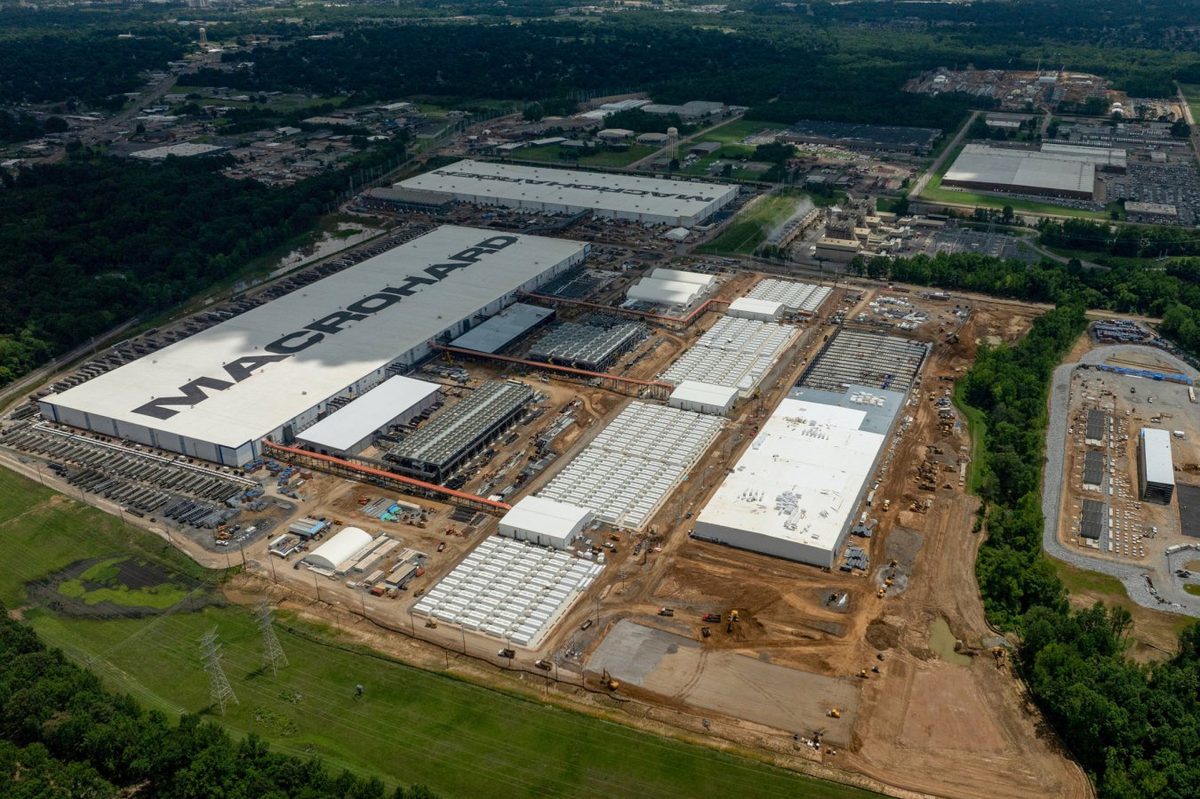
A groundbreaking study leveraging advanced satellite technology has indicated a significant surge in nitrogen oxide (NOx) air pollution, potentially linked to the operations of SpaceXAI’s colossal Colossus 2 data centre. The facility, located in Tennessee and powered by a significant number of temporary gas turbines situated in neighbouring Mississippi, has come under scrutiny as researchers point to a dramatic increase in local NOx concentrations since late 2025. This finding, however, is contested by SpaceXAI and local regulatory bodies, setting the stage for a complex debate over environmental responsibility and technological growth.
Key Details
- Pollutant of Concern: The study focuses on nitrogen oxides (NOx), a group of gases known to inflame airways and worsen respiratory and heart conditions.
- Data Source: Researchers utilized data from NASA’s TEMPO satellite, a state-of-the-art instrument launched in 2023 to monitor air quality across North America.
- Observed Increase: Satellite observations revealed a “strong increase” in local NOx concentrations beginning in late 2025, coinciding with the deployment of temporary gas turbines to power the Colossus 2 data centre.
- Turbine Numbers: The number of temporary turbines deployed at the site grew significantly during the study period, from 27 in December 2025 to 69 by August 2026.
- Emission Rates: Between February and August 2026, average NOx emissions from the site were estimated at approximately 730 kilograms per hour, peaking at 1180 kg per hour in August 2026. This contrasts sharply with a nearby gas power plant in Mississippi, which averaged just 21 kg per hour.
- Expert Opinions: Independent experts, including Martyn Chipperfield from the University of Leeds and Ronald Cohen from UC Berkeley, described the observed pollution levels as significant and the study as “solid” science, noting the presence of “uncontrolled generators.” Peter Zoogman of Minerva University suggested each turbine could emit as much NOx annually as 50,000 cars.
- SpaceXAI's Response: SpaceXAI disputes the claims, presenting an expert report suggesting local monitoring stations have not detected notable pollution increases and that emissions are within regulatory limits. The company has pledged to remove temporary turbines by July 2027 and install permanent ones, promising to equip mobile turbines with pollution controls.
- Regulatory Stance: The Mississippi Department of Environmental Quality (MDEQ) stated it does not comment on third-party reports or pending litigation but remains committed to enforcing environmental laws.
Background
SpaceXAI’s Colossus 2 data centre, which became operational in 2025, is now the largest in the US, designed to support the company’s rapidly expanding artificial intelligence initiatives. The controversy stems from the facility’s reliance on temporary gas turbines for power. Unlike permanent power plants, which typically employ catalytic converters to mitigate harmful emissions, many of these temporary turbines reportedly lack such controls. This has led to ongoing legal challenges initiated by environmental campaigners and local residents against SpaceXAI and its subsidiary, MZX Tech.
Impact Analysis
The study, led by Kevin Gauld at the Massachusetts Institute of Technology, provides compelling evidence of elevated NOx levels. The TEMPO satellite’s ability to monitor atmospheric composition with unprecedented detail allowed researchers to pinpoint emission sources. The calculated emission rates are staggering; during peak periods, the temporary turbines were releasing NOx at rates nearly 56 times higher than a comparable local gas power plant. Martyn Chipperfield noted that the observed pollution levels near the turbines are comparable to those seen over densely populated urban areas like central London, underscoring the severity of the localized air quality issue. Ronald Cohen further emphasized the lack of emission controls on these generators, directly attributing the high NOx output to their operation. Peter Zoogman’s analysis, which equates the annual NOx output of a single turbine to that of 50,000 cars, highlights the disproportionate environmental impact of these temporary power sources.
Broader Context
This incident occurs against a backdrop of escalating concerns regarding the energy demands of the burgeoning artificial intelligence sector. The Global Energy Monitor reports a 50% surge in planned US gas-fired power capacity in the first half of 2026 alone, driven largely by data centre construction. A significant portion of these new projects favour gas turbines and engines over more efficient combined-cycle plants due to their quicker deployment times. Experts warn that this rapid expansion of gas power infrastructure could lock in decades of carbon emissions and further degrade air quality. The reliance on diesel generators for backup power in many data centres also contributes to NOx and other pollutant emissions. The increasing sophistication of satellite monitoring technologies, like NASA’s TEMPO, is becoming crucial for holding industries accountable for their environmental impact, providing an independent means to detect and quantify emissions from various sources, including industrial facilities and power generation.
Future Outlook
SpaceXAI has committed to phasing out all 69 temporary turbines by July 2027, replacing them with 41 permanent gas turbines. The company also stated that its in-house manufactured mobile turbines will henceforth be equipped with pollution-control technology. However, the study’s conclusion that current average emissions from the temporary turbines are approximately 16 times higher than the expected output from the planned permanent turbines suggests a substantial reduction in pollution is anticipated. The effectiveness of these measures and the timeline for their implementation will be critical. Furthermore, the study calls for additional research into the health impacts, including monitoring local ozone levels, to fully quantify the consequences of the emissions. The ongoing legal battles and the MDEQ’s commitment to regulatory enforcement will also shape the future environmental landscape around the Colossus 2 facility.
“Making sure these converters are fitted to these power generation systems is very important. It does make a very large difference.” - Peter Zoogman, Minerva University.
Conclusion
The satellite study provides a stark warning about the potential environmental consequences of rapidly scaling up data centre infrastructure, particularly concerning the energy sources employed. While SpaceXAI and regulatory bodies contest the study’s direct attribution and severity, the data presented by Gauld’s team and corroborated by independent experts points to a significant, localized air quality issue driven by inadequately controlled emissions from temporary gas turbines. The situation underscores the critical need for robust environmental oversight, the adoption of cleaner energy solutions, and the continued advancement of monitoring technologies to ensure industrial growth does not come at the expense of public health and environmental integrity. The commitment to installing permanent turbines and retrofitting mobile ones with pollution controls offers a path forward, but the observed pollution levels necessitate vigilance and accountability.
Source: newscientist.com