Roger Waters Slams Ed Sheeran as 'Little Prick' Over Macklemore's Gaza Support
Introduction
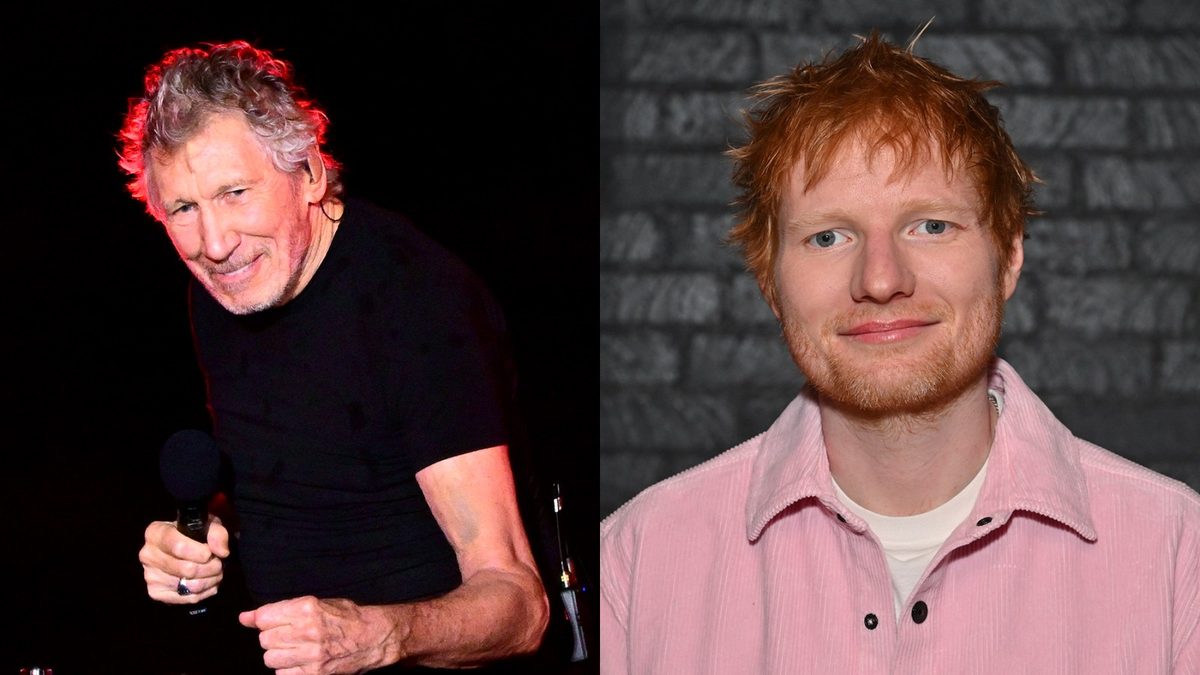
Tensions have erupted in the music world following the removal of rapper Macklemore from Ed Sheeran's U.S. tour due to his vocal support for Palestine. The controversy escalated dramatically when former Pink Floyd frontman Roger Waters launched a scathing public attack on Ed Sheeran, labeling him a “little prick” for his perceived inaction and complicity in Macklemore's dismissal. The incident highlights the growing divide and the pressures artists face when expressing political views, particularly concerning the Israeli-Palestinian conflict.
Key Details
- Macklemore's Removal: Rapper Macklemore was dropped from Ed Sheeran's U.S. tour after performing two songs and making statements in support of Palestinians in Gaza, including displaying imagery of the conflict's destruction and performing a song about a child killed in the war.
- Promoter's Decision: Messina Touring Group, the concert promoter, stated that venues threatened to cancel the tour, affecting hundreds of thousands of fans, if Macklemore remained on the lineup.
- Roger Waters' Condemnation: In an Instagram video, Roger Waters, a long-time advocate for Palestinian rights, directly addressed Ed Sheeran, calling him a “little prick” and contrasting his actions with Macklemore’s perceived moral courage.
- Artist Solidarity: Following Macklemore's removal, other supporting acts on Sheeran's tour, including Finneas, Lukas Graham, and Aaron Rowe, withdrew in solidarity with Macklemore and Palestine. Finneas explicitly stated, “Artists must not be silenced when they speak up for the oppressed.”
- Sheeran's Response: Ed Sheeran released a statement placing blame on the promoters and venue owners, noting his involvement in discussions to find a resolution but acknowledging the finality of the venue's decision.
- Venue Owner's Stance: New England Patriots owner Robert Kraft reportedly informed Sheeran that Macklemore would not be permitted to perform at Gillette Stadium, and had allegedly rallied other stadium owners to issue an ultimatum to Sheeran.
- Free Speech Concerns: Congresswoman Alexandria Ocasio-Cortez criticized the venue owners' actions, deeming it “a dangerous precedent” for restricting free speech.
Background
The Israeli-Palestinian conflict has long been a sensitive and polarizing issue globally. In recent times, the intensified conflict following Hamas's attacks on Israel and Israel's subsequent military response in Gaza has brought the issue to the forefront of international discourse. Artists, like many public figures, often find themselves navigating complex political landscapes when their platforms intersect with human rights and geopolitical events. Macklemore's decision to voice his support for Palestinians, particularly during a major tour, placed him directly in the line of fire, leading to the intervention of tour promoters and venue owners concerned about potential backlash or logistical disruptions.
Impact Analysis
The repercussions of this incident are multifaceted. Firstly, it underscores the significant power wielded by concert promoters and venue owners, who can effectively censor artists based on political content, raising serious questions about artistic freedom and free speech in the entertainment industry. The ultimatum presented to Ed Sheeran demonstrates how commercial interests and venue policies can override artistic expression. Secondly, the solidarity shown by other artists like Finneas signals a growing trend of musicians using their platforms to advocate for social and political causes, even at the risk of professional repercussions. Roger Waters' direct and aggressive condemnation of Sheeran, while perhaps alienating some, amplifies the criticism and brings a veteran activist's perspective into the fray. The involvement of a prominent figure like Robert Kraft adds another layer, suggesting potential influence from major sports and entertainment figures in these decisions.
Broader Context
This event is not an isolated incident but part of a larger pattern of public figures facing scrutiny and pressure regarding their stances on controversial political issues. The digital age, with its instant communication and social media amplification, means that any statement or action can quickly escalate into a major public event. The pro-Palestinian movement has seen increased visibility and activism worldwide, and artists are increasingly expected to take a stand. However, the potential for economic consequences, such as being dropped from tours or facing boycotts, creates a challenging environment for artists attempting to express solidarity or engage in activism. The situation also reflects broader societal debates about censorship, political activism, and the responsibilities of those with public platforms.
Future Outlook
The long-term impact on Ed Sheeran's career and relationships within the music industry remains to be seen. However, this incident is likely to embolden artists who prioritize activism and may make others more cautious. The role of venue owners and promoters in policing artistic expression will likely face increased scrutiny. It is possible that future tours and contracts will include more explicit clauses regarding political statements. Furthermore, the incident could spur greater dialogue among artists, promoters, and venues about navigating political sensitivities and ensuring a space for diverse viewpoints. The continued activism from figures like Roger Waters and the solidarity shown by artists like Finneas suggest that the intersection of music, politics, and human rights will remain a prominent and often contentious topic.
Conclusion
The controversy surrounding Macklemore's removal from Ed Sheeran's tour, and the subsequent fiery exchange between Roger Waters and Ed Sheeran, serves as a stark reminder of the complex interplay between art, commerce, and politics. While Macklemore and his supporters chose to prioritize their message on the Gaza conflict, the decision by venues and promoters highlights the significant barriers artists face when their activism intersects with powerful commercial interests. The incident has ignited debate about artistic freedom, censorship, and the courage required to speak out in the face of potential professional consequences, leaving a lasting mark on the current music landscape.
Source: rollingstone.com