New York Seizes 12 Deepfake Porn Sites, Targeting Non-Consensual Celebrity Imagery
Introduction
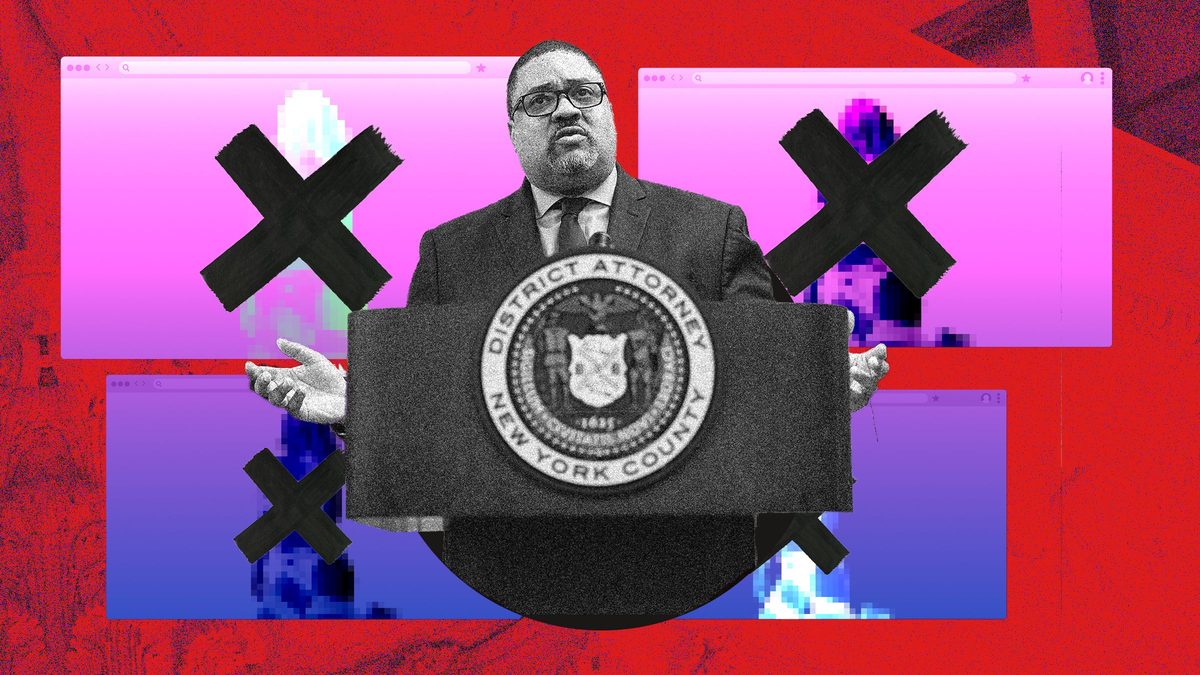
In a landmark move against the burgeoning and harmful industry of non-consensual deepfake pornography, officials in New York have successfully seized over a dozen websites. These platforms were instrumental in the distribution of thousands of explicit, AI-generated videos depicting individuals, overwhelmingly women, in fabricated sexual scenarios. This coordinated action by the Manhattan District Attorney’s Office marks one of the most substantial efforts to date to dismantle the infrastructure supporting this form of digital abuse.
Key Details
- Seized Domains: 12 websites specializing in deepfake pornography have been taken offline.
- Victim Count: Approximately 1,200 individuals, predominantly women, were depicted in the non-consensual imagery hosted on these sites.
- Targeted Individuals: Victims include social media influencers, actors, athletes, musicians, politicians, and activists.
- Legal Basis: The seizures were executed under New York’s criminal procedure laws, leveraging new legislation and existing frameworks to combat synthetic intimate imagery.
- Ongoing Investigation: Authorities are continuing their investigation into the individuals responsible for operating the websites and uploading the harmful content.
Background
For nearly a decade, the internet has been plagued by websites dedicated to creating and distributing non-consensual deepfake pornography. This technology, which uses artificial intelligence to convincingly superimpose faces onto explicit videos or create entirely new synthetic content, has become increasingly sophisticated. The emergence of user-friendly AI tools has democratized the creation of such material, leading to an explosion of harmful content. While deepfakes are often used against private citizens, celebrities and public figures have become prominent targets due to their visibility, amplifying the reach and impact of such violations. The ease with which these videos can be generated and shared, often with realistic detail, poses a significant challenge to victims seeking to reclaim their digital likeness and protect their privacy.
“These horrific violations of privacy follow victims into their careers and personal lives and take an immense toll on emotional and mental well-being,” stated Manhattan District Attorney Alvin Bragg.
Impact Analysis
The seizure of these 12 deepfake websites represents a significant victory in the ongoing battle against synthetic non-consensual intimate imagery (NCII). Leonie Oehmig, a researcher at the Institute for Strategic Dialogue (ISD), highlighted the importance of this enforcement action, noting that it demonstrates the feasibility of tackling such harmful content even with fragmented regulations across jurisdictions. The fact that the seized sites appear inaccessible even via VPNs suggests a robust technical and legal takedown. The websites, which likely garnered millions of views, often used explicit names and promised realistic deepfakes of well-known figures. Archived data indicates some videos were viewed tens of thousands of times, underscoring the widespread dissemination of this illicit material. Benjamin Shultz, lead researcher at the American Sunlight Project, noted that many videos were manipulated pornographic films with targets' faces swapped in, and that elected officials were specifically profiled on some sites, with research indicating the involvement of politicians from the US, Europe, and the UK.
Broader Context
The legal landscape surrounding deepfakes has been slow to adapt to the rapid advancements in AI technology. While some jurisdictions have enacted specific laws against the creation and distribution of NCII, enforcement has often been challenging. The US Take It Down Act, however, provides a more robust framework, empowering law enforcement to seize websites engaged in such activities. This New York action is a testament to the potential of leveraging existing and emerging legal tools to combat online harms. It also highlights the growing awareness among law enforcement agencies of the severe psychological and reputational damage caused by deepfake abuse. The Manhattan DA's office has urged potential victims to come forward, signaling a commitment to supporting those affected by these violations.
Future Outlook
While this seizure is a crucial step, experts emphasize that a comprehensive strategy is needed to address the entire deepfake ecosystem. Oehmig suggests that effective interventions must target multiple points, including the AI tools used for creation, the platforms for discovery and promotion, the hosting infrastructure, and the financial systems that monetize these operations. The ongoing investigations by the Manhattan DA’s office into the operators and uploaders are vital for holding individuals accountable. As AI technology continues to evolve, so too will the methods used to create and distribute deepfakes, necessitating continuous adaptation of legal and technological countermeasures. Future efforts will likely involve greater inter-agency cooperation, international collaboration, and the development of advanced detection and prevention technologies.
Conclusion
The seizure of 12 deepfake pornography websites by New York authorities is a significant milestone in the fight against AI-generated non-consensual intimate imagery. It demonstrates a determined effort to protect individuals, particularly women and public figures, from severe privacy violations and reputational harm. While challenges remain in eradicating this pervasive form of abuse, this action provides a critical precedent and a hopeful sign that coordinated enforcement can make a tangible difference in safeguarding victims and disrupting the illicit deepfake industry.
Source: wired.com