New Australian Bug Genus Swiftiephylus Named After Taylor Swift
Introduction
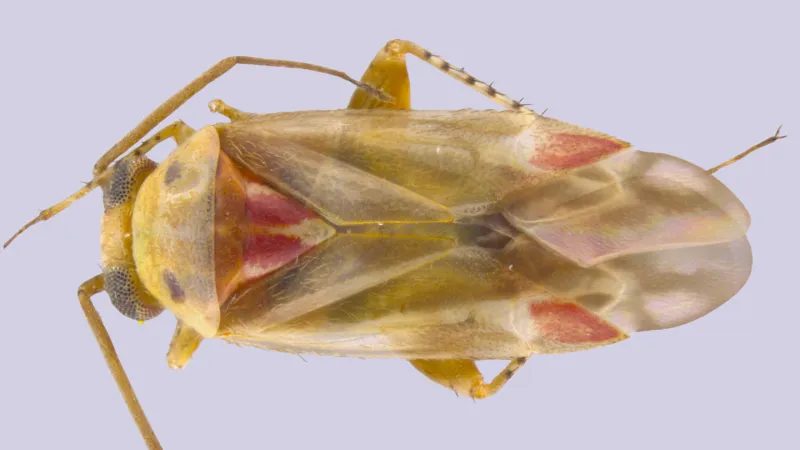
In a fascinating intersection of entomology and pop culture, a newly identified group of Australian insects has been named Swiftiephylus, in tribute to the globally renowned music artist Taylor Swift. This discovery not only adds to our understanding of Australia's diverse insect life but also highlights the creative ways scientists can honor figures who have had a significant cultural impact. The naming of these small, big-eyed bugs, each smaller than a lentil, recognizes Swift’s “show-stopping talent, heart-wrenching lyrics, and the joy and comfort she has brought to many,” according to the researchers behind the study published on September 9 in Insect Systematics & Evolution.
Key Details
- New Genus and Species: A new genus, Swiftiephylus, has been established, encompassing 12 newly described species of Australian plant bugs.
- Naming Rationale: The genus and specific species names are inspired by Taylor Swift, acknowledging her artistic contributions and the distinctive red and yellow coloration of some of the bugs, reminiscent of Swift’s iconic look.
- Species Honorees: Four species within the genus are directly linked to Swift: S. taylorae, S. amator (for Lover), S. intrepidus (for Fearless), and S. poetorum (referencing The Tortured Poets Department).
- Research Team: The study was led by entomologist Sarah Schroeder, working with established researcher Christiane Weirauch at the University of California, Riverside.
- Publication: The findings were published in the scientific journal Insect Systematics & Evolution.
- Geographic Focus: The research focused on plant bugs found in she-oak trees in Australia.
Background
Plant bugs, belonging to the order Hemiptera, comprise approximately 10,000 known species worldwide and are primarily herbivorous, feeding on plants. However, the specific diversity and taxonomy of these insects within Australia remained relatively underexplored. The research effort began in the early 2000s when a team, including Professor Christiane Weirauch, initiated a comprehensive project to collect and catalogue Australian plant bugs. This long-term endeavor laid the groundwork for future discoveries.
Sarah Schroeder, now an entomologist, joined the project as part of her PhD work under Weirauch in 2022. She was tasked with delving into the identity of these previously unclassified specimens. The opportunity to describe new species is a significant achievement for any scientist, representing a direct contribution to the global scientific knowledge base. For Schroeder, this was a personal passion project, deeply intertwined with her admiration for Taylor Swift.
Impact Analysis
The naming of Swiftiephylus is more than just a whimsical nod to a pop star; it serves a crucial scientific and conservation purpose. Species description is the foundational step in understanding biodiversity. Without formally identifying and naming species, it is impossible to assess their populations, ecological roles, or conservation needs. As Schroeder herself noted, “you can’t protect what you don’t know is there.” This sentiment echoes the vastness of undiscovered life, particularly among insects, where millions of species are estimated to remain unknown to science.
The choice of Taylor Swift as an honoree also underscores the cultural reach of modern celebrities. By linking a scientific discovery to a figure with immense global recognition, the researchers potentially increase public engagement with entomology and biodiversity. This can foster greater awareness and appreciation for the natural world, encouraging support for conservation efforts. The specific visual cues—the bugs' yellow and red markings relating to Swift’s “red lip” and “Blondie” nicknames—add a layer of relatable detail that can capture public imagination.
Broader Context
This discovery fits into a larger trend of naming newly identified species after prominent cultural figures, celebrities, or even fictional characters. While traditional scientific nomenclature often draws from Latin or Greek roots, or honors fellow scientists, modern practices increasingly reflect the broader societal context. This approach can make science more accessible and engaging for the general public, bridging the gap between academic research and everyday life. It also highlights the subjective element in scientific naming, where personal interests and cultural relevance can play a role, provided the scientific criteria for distinction are met.
Furthermore, the research addresses a significant gap in the understanding of insect biodiversity in Australia, a continent known for its unique and often endemic fauna. The meticulous work of identifying and classifying these bugs contributes to a more complete picture of the continent's ecological landscape. This is vital for conservation planning, especially in regions facing environmental pressures.
Future Outlook
The description of Swiftiephylus is likely just the beginning. Sarah Schroeder emphasized that this genus represents only a fraction of the insect diversity yet to be discovered in Australia and globally. The potential for millions of undescribed insect species means that the work of taxonomic entomologists remains critically important. Future research will likely involve further exploration of Australian ecosystems, genetic analysis to refine species classifications, and studies into the ecological roles of these newly identified bugs.
“It’s a dream thing for a scientist to get to describe new species.”
The connection to Taylor Swift may also inspire a new generation of scientists, particularly young women, to pursue careers in STEM fields. By seeing their passions reflected in scientific endeavors, individuals might feel more connected to and motivated by scientific discovery. The ongoing exploration of insect life, coupled with creative naming conventions, promises to continue filling the “Blank Space” in our knowledge of the natural world, ensuring that species like Swiftiephylus are not lost before they are even known.
Conclusion
The naming of the Swiftiephylus genus after Taylor Swift is a testament to the dynamic nature of scientific discovery and its intersection with popular culture. It underscores the importance of taxonomic research in cataloging Earth's biodiversity and highlights the crucial need for conservation efforts. As scientists continue to uncover the hidden life within our ecosystems, discoveries like these remind us that the world around us holds countless wonders, waiting to be identified and understood, much like Taylor Swift’s music has resonated deeply with millions worldwide.
Source: sciencenews.org