Monster El Niño Triggers Global Disruptions, Unprecedented Strength Fueled by Warming
Introduction
The world is currently grappling with the intensifying effects of a potent El Niño event, a climatic phenomenon characterized by unusually warm sea surface temperatures in the tropical Pacific Ocean. This year's El Niño has already begun to wreak havoc across the globe, with early signs pointing towards disruptions that could be more severe and unpredictable than in previous occurrences. The cancellation of Peru's anchovy fishing season due to warming waters is just one stark example of the immediate economic and ecological impacts being felt.
Key Details
- Event: A strong El Niño event is underway, characterized by abnormally warm sea surface temperatures in the tropical Pacific Ocean.
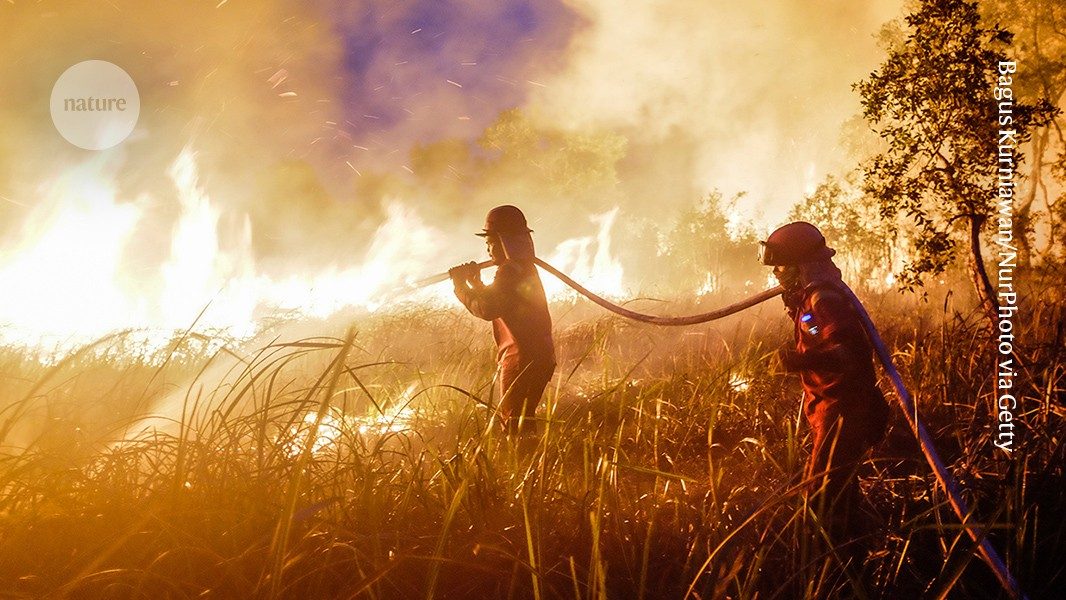
- Impacts Observed: Peru's anchovy fishing season was cancelled early; drought is affecting Central America (Panama Canal traffic, crop losses in Guatemala, Honduras, El Salvador) and the Caribbean (water rationing in Puerto Rico, crop stress in Jamaica); Indonesia faces an above-average wildfire season; India experiences lower monsoon rainfall and localized flooding; Southern and East Africa face food insecurity threats due to dry weather and high costs.
- Forecasted Impacts: Drought is expected in equatorial regions, Central America, and the western Pacific. Extreme rainfall is predicted for the Horn of Africa, western United States, and the Pacific coast of South America. Chile and Peru are experiencing flooding, impacting copper mining and tourism (Machu Picchu closure). The Horn of Africa could see flooding similar to 2023, displacing millions.
- Uniqueness: This El Niño is forecast to reach unprecedented strength. It is the first strong eastern Pacific El Niño since the late 1990s, occurring alongside nearly three decades of global warming. It has strengthened earlier than previous strong events (e.g., 1997, 2015). Some forecasts suggest it could be the strongest in centuries, potentially leading to record average temperatures in 2027.
- Expert Opinions: Climate scientists like Deepti Singh (Washington State University) and Eran Vos (Bar-Ilan University) highlight the potential for altered weather patterns due to the event's strength and combination with global warming. Jérôme Vialard (Research Institute for Development) likens El Niños to different "flavors" influencing weather uniquely.
Background
El Niño is a naturally occurring climate pattern that arises from fluctuations in sea surface temperatures and air pressure across the equatorial Pacific Ocean. These changes disrupt atmospheric circulation, leading to significant shifts in weather patterns worldwide. Typically, El Niño events are associated with warmer global average temperatures, altered rainfall patterns (droughts in some regions, heavy rains in others), and increased frequency of extreme weather events. The specific impacts of an El Niño depend on its intensity, location (eastern or central Pacific), and duration.
Impact Analysis
The current El Niño's exceptional strength, coupled with the background warming trend from anthropogenic climate change, presents a complex and potentially more severe scenario than typically observed. The disruption to Peru's anchovy fishery, a cornerstone of the local economy and global supply chains for animal feed and fertilizer, illustrates the immediate economic fallout. Drought conditions slowing traffic on the Panama Canal have direct implications for global trade. In regions like East Africa, the confluence of dry weather, high fuel prices, and the El Niño's impact on food security threatens to exacerbate humanitarian crises, with the UN World Food Programme projecting acute food insecurity for tens of millions.
The combination of an unprecedentedly strong El Niño and ongoing global warming means we are venturing into uncharted territory regarding its global weather impacts.
Broader Context
This event underscores the critical interplay between natural climate variability, such as El Niño, and the long-term trend of anthropogenic global warming. While El Niño events have occurred throughout Earth's history, their intensity and the resulting impacts can be amplified by a warmer planet. The phenomenon serves as a potent reminder of the interconnectedness of Earth's climate system and the far-reaching consequences of climate change. The differing "flavors" of El Niño, as described by scientists, mean that predicting precise regional impacts requires sophisticated modeling, but the overarching trend points towards increased extremes.
Future Outlook
The forecasts suggest that the current El Niño's influence will persist, potentially leading to record-breaking temperatures in the coming years. The combination of its strength and the background warming trend could result in weather patterns that deviate significantly from historical precedents. This necessitates enhanced preparedness and adaptation strategies globally, particularly in vulnerable regions prone to drought and extreme rainfall. Continued monitoring and research are crucial to better understand and predict the evolving impacts of such powerful climate events in a warming world.
Conclusion
The current powerful El Niño is a clear demonstration of nature's capacity to disrupt established patterns, with tangible economic and social consequences already unfolding. The unprecedented strength of this event, amplified by global warming, raises concerns about its potential to redefine the impacts of El Niño cycles. As scientists continue to study this phenomenon, the need for global cooperation on climate action and adaptation measures becomes increasingly evident to mitigate the risks associated with such extreme climate events.
Source: nature.com