Mainz University Drug Patch Promises Myelin Repair for Multiple Sclerosis
Introduction
A groundbreaking therapeutic approach for multiple sclerosis (MS), pioneered at Johannes Gutenberg University Mainz (JGU), is poised for clinical application. Spearheaded by Professor Claire Jacob, the research focuses on a novel drug patch designed to facilitate the repair of damaged myelin sheaths, a critical unmet need in MS treatment. The project has received a significant boost with EUR 1.1 million in funding from ForTra gGmbH for Research Transfer, a subsidiary of the Else Kröner-Fresenius Foundation, marking a crucial step towards translating laboratory discoveries into a tangible treatment for patients.
Key Details
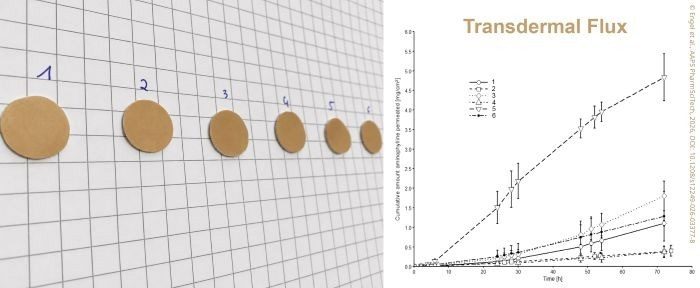
- Therapeutic Target: Development of a transdermal drug patch delivering low-dose theophylline.
- Mechanism of Action: Theophylline activates histone deacetylase 2 (HDAC2), an enzyme crucial for myelin regeneration.
- Funding: EUR 1.1 million from ForTra gGmbH for Research Transfer to advance the patch towards clinical trials.
- Previous Support: EUR 140,000 from the Mainz Science Foundation for earlier preclinical development.
- Development Stages: Production under Good Manufacturing Practice (GMP) standards, followed by a Phase I clinical trial in healthy volunteers, and a subsequent Phase II trial in MS patients.
- Lead Researcher: Professor Claire Jacob, JGU's Department of Cellular Neurobiology.
- Collaboration: Development of the patch involved Professor Peter Langguth from JGU’s Department of Biopharmaceutics and Pharmaceutical Technology.
Background
Multiple sclerosis is a debilitating chronic inflammatory autoimmune disease where the myelin sheath, the protective covering of nerve fibers in the brain and spinal cord, is progressively damaged. While current treatments are effective in reducing inflammation and preventing relapses, they do not address the crucial issue of myelin repair, or remyelination. Professor Claire Jacob’s research, spanning over two decades, has focused on understanding the molecular mechanisms underlying myelin regeneration. Her team identified HDAC2 as a key enzyme in this process. They discovered that theophylline, a well-established drug for respiratory conditions, can activate HDAC2 at significantly lower doses than those used for asthma treatment. Preclinical studies in mice have demonstrated the efficacy of low-dose theophylline in promoting myelin rebuilding.
Impact Analysis
The development of this theophylline-delivering patch offers a promising new avenue for MS treatment. By focusing on remyelination, it addresses a fundamental deficit in current therapeutic options. The transdermal patch technology ensures a continuous, low-dose delivery of theophylline, optimizing its therapeutic effect while minimizing potential side effects associated with higher systemic doses. The EUR 1.1 million funding from ForTra is instrumental in moving this research from the lab to the clinic. This includes scaling up production to meet stringent pharmaceutical quality standards (GMP) and initiating essential safety and tolerability studies in humans.
“With this funding, we are taking a decisive step toward our goal of translating our research findings into a potential treatment for people with MS.”
— Professor Claire Jacob, JGU
Broader Context
The transition of research from academic labs to clinical application is often a lengthy and resource-intensive process. The involvement of ForTra, an organization dedicated to supporting promising medical research projects, highlights the potential impact of this JGU initiative. The strategy of repurposing an existing, well-understood drug like theophylline for a new application at a lower dose is a scientifically sound and potentially faster route to clinical approval compared to developing entirely new chemical entities. This approach leverages existing safety data and manufacturing knowledge, potentially accelerating the timeline and reducing development costs.
Future Outlook
The immediate future involves the GMP-compliant manufacturing of the drug patch and its subsequent evaluation in a Phase I clinical trial with healthy volunteers. This trial will primarily assess the patch's adherence, tolerability, and drug delivery efficiency. If successful, the research team, led by Professor Jacob, plans to conduct a multicenter Phase II trial involving MS patients in Germany. This crucial next step will aim to determine if the theophylline patch can indeed promote remyelination in individuals affected by the disease. The team is actively seeking further funding to support this patient-focused trial. The ultimate aspiration is to develop a therapy that not only halts disease progression but also facilitates the nervous system's inherent repair mechanisms.
Conclusion
The development of the theophylline drug patch at Mainz University represents a significant leap forward in the quest for effective multiple sclerosis treatments. By targeting remyelination and employing innovative drug delivery technology, this project holds considerable promise. The substantial funding secured from ForTra underscores the potential of this research, paving the way for essential clinical trials and bringing the prospect of a myelin-repairing therapy closer to reality for individuals living with MS.
Source: news-medical.net