Leipzig Scientists Discover Bone-Building Switch, AP503, Offering Hope Against Osteoporosis
Introduction
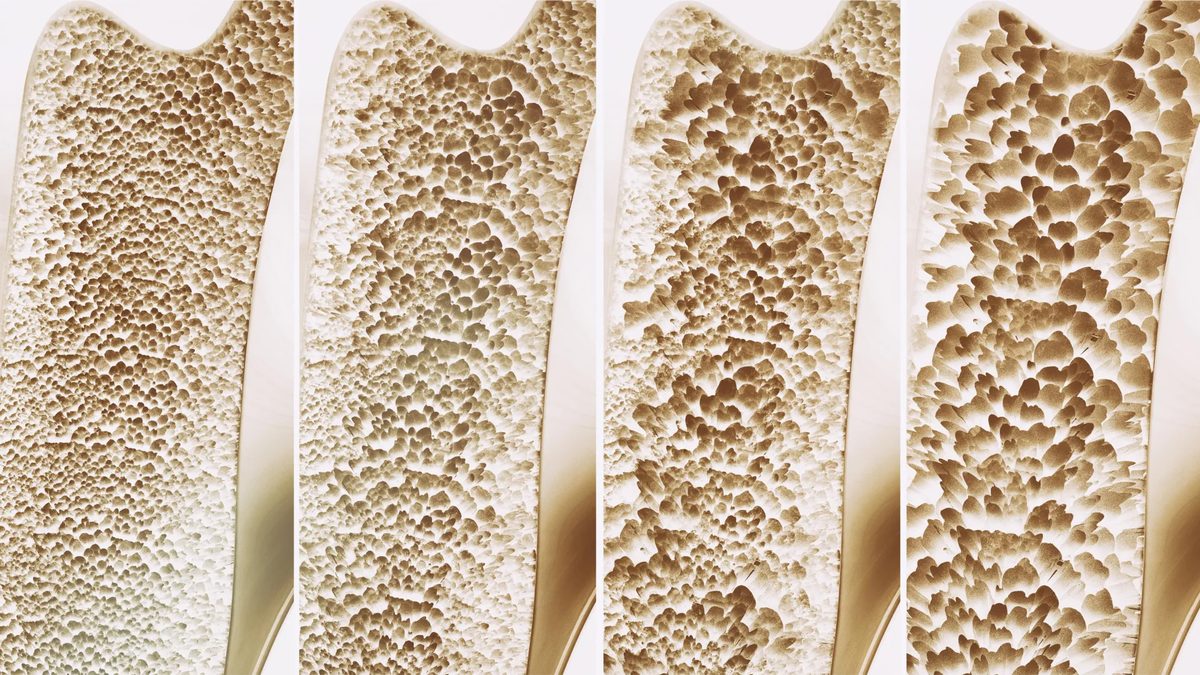
Osteoporosis, a debilitating condition characterized by weakened bones and an increased risk of fractures, poses a significant global health challenge. Affecting millions worldwide, with approximately six million individuals in Germany alone, the search for safe and effective long-term treatments remains a priority for medical professionals. Existing therapies often come with limitations and side effects, prompting scientists to explore novel biological pathways. Researchers at Leipzig University have now pinpointed a promising new target: the GPR133 receptor, a key player in maintaining bone density and strength.
Key Details
- Discovery of AP503: An experimental compound, AP503, has been identified as a potent stimulator of the GPR133 receptor.
- Mechanism of Action: AP503 activates GPR133, a receptor found on bone cells, which enhances the activity of bone-forming cells (osteoblasts) while suppressing bone-resorbing cells (osteoclasts).
- Effect on Bone Density: In studies involving mice, AP503 significantly increased bone strength and density, showing efficacy in both healthy and osteoporotic models.
- Dual Benefit: Previous research indicated that AP503 also strengthens skeletal muscle, suggesting a potential dual benefit for combating age-related decline in both bone and muscle tissue.
- Lead Researchers: The study was led by Professor Ines Liebscher and Dr. Juliane Lehmann from the Rudolf Schönheimer Institute of Biochemistry at Leipzig University's Faculty of Medicine.
- Journal Publication: The findings were published in the journal Signal Transduction and Targeted Therapy (DOI: 10.1038/s41392-025-02291-y).
Background
GPR133 belongs to the family of adhesion G protein-coupled receptors, a class of cell surface receptors that play crucial roles in cellular communication and response to environmental cues. While the precise functions of many adhesion GPCRs are still being elucidated, this new research highlights GPR133's critical involvement in bone metabolism. The Leipzig University team utilized a computer-assisted screening method to identify AP503 as a compound capable of activating GPR133. Their subsequent experiments demonstrated that stimulating this receptor could reverse bone density loss in animal models, mimicking the effects seen in human osteoporosis.
Impact Analysis
The activation of GPR133 by AP503 appears to rebalance the delicate equilibrium between bone formation and resorption. By promoting osteoblast activity and inhibiting osteoclast function, the compound shifts the net effect towards bone accrual, leading to stronger and more resilient skeletal structures. This mechanism is particularly relevant for conditions like postmenopausal osteoporosis, where hormonal changes accelerate bone loss. The ability of AP503 to potentially counteract this process offers a significant therapeutic advantage over existing treatments.
“The newly demonstrated parallel strengthening of bone once again highlights the great potential this receptor holds for medical applications in an aging population,” stated Dr. Juliane Lehmann.
Broader Context
The implications of this discovery extend beyond bone health. Earlier work by the same Leipzig University group revealed that AP503 also enhances skeletal muscle strength. This dual action—strengthening both bone and muscle—is particularly significant for an aging demographic, which often experiences concurrent declines in both tissues. Maintaining muscle mass is vital for mobility, balance, and preventing falls, while robust bones reduce fracture risk. A treatment addressing both could dramatically improve the quality of life and independence of older adults.
Future Outlook
The Leipzig researchers are actively pursuing further investigations into the multifaceted roles of GPR133. Ongoing projects aim to deepen the understanding of its signaling pathways and its presence in various tissues throughout the body. The team is also exploring whether AP503 might have therapeutic applications in other disease contexts. The potential for a single compound to address both bone and muscle frailty positions AP503 as a highly promising candidate for future clinical development, potentially leading to novel treatments for age-related sarcopenia and osteoporosis.
Conclusion
The identification of the GPR133 receptor as a critical regulator of bone formation and the discovery of AP503 as its activator represent a significant advancement in the fight against osteoporosis. This research from Leipzig University not only offers a potential new therapeutic strategy for bone weakening but also hints at broader applications in combating age-related physical decline. The dual action on bone and muscle suggests a promising future for improving healthspan in an aging global population.
Source: sciencedaily.com