Ipswich Town's Resilience Tested: O'Neil Calls for Improved Response to Adversity
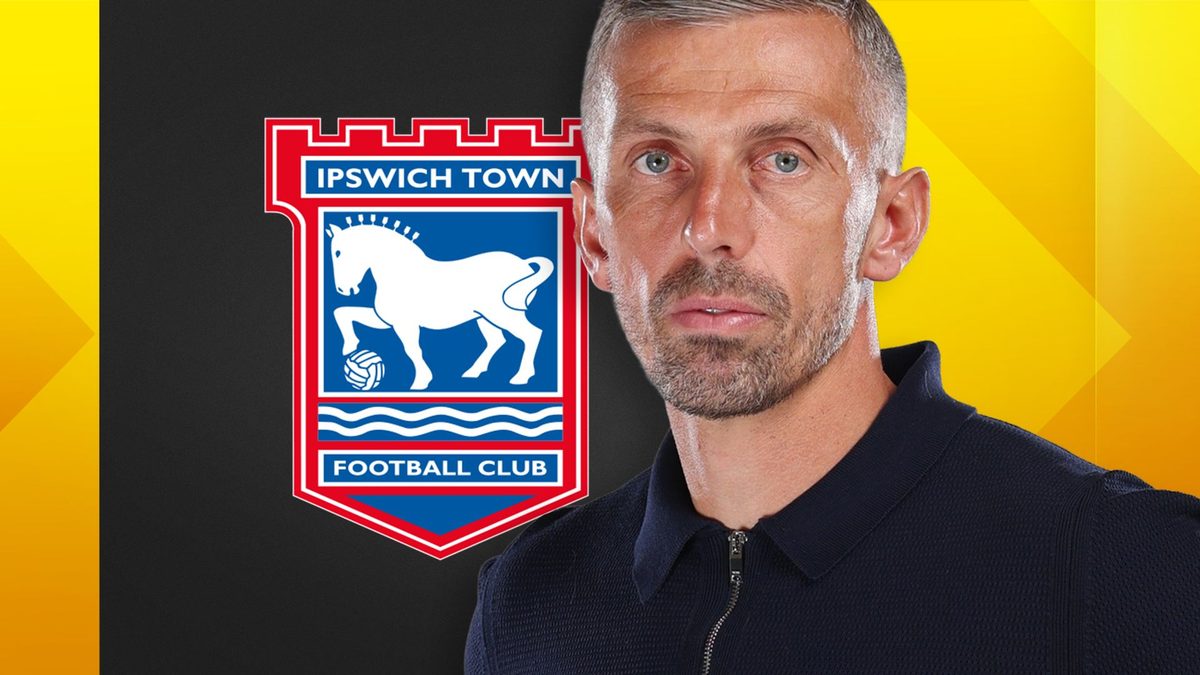
Ipswich Town's Resilience Tested: O'Neil Calls for Improved Response to Adversity
Introduction
In the wake of a recent series of challenging results, Ipswich Town manager Kieran McKenna has issued a strong call for his squad to develop a more robust and effective response to setbacks. Speaking to the press following a period that has seen the Tractor Boys drop points unexpectedly, McKenna highlighted the importance of mental fortitude and strategic adaptation when facing adversity. The team, which has enjoyed a largely stellar campaign, is now at a juncture where its ability to navigate difficult moments will be crucial in determining the ultimate success of their season. The manager’s comments underscore a period of introspection and a drive to refine the team’s psychological approach to the game, particularly as they head into a critical phase of the season where every point counts.
Key Details
- Manager’s Emphasis on Resilience: Kieran McKenna stressed the need for Ipswich Town to “respond better to setbacks,” indicating a desire for greater mental toughness and quicker recovery from difficult periods within matches and across recent fixtures.
- Performance Analysis: McKenna acknowledged that while the team has shown great qualities, there are specific instances where the reaction to conceding goals or falling behind has not been optimal, leading to missed opportunities to regain control or secure positive results.
- Focus on Future Fixtures: The manager reiterated the importance of the upcoming games, framing them as crucial opportunities to demonstrate the team’s improved ability to handle pressure and adversity.
- Squad Mentality: The discussion points towards a focus on cultivating a stronger collective mentality, where players support each other and maintain belief even when facing challenges on the pitch.
- Tactical Adjustments: While not explicitly detailed, McKenna’s comments suggest a potential review of tactical approaches to better manage game situations and prevent momentum swings by opponents.
Background
Ipswich Town has experienced a remarkable resurgence under Kieran McKenna, transforming from a League One side to a formidable contender in the Championship. The team’s high-energy style, tactical discipline, and strong attacking prowess have earned them widespread admiration and placed them in a strong position for promotion. However, like any team aiming for the top, they have encountered periods where their usual dominance has been tested. Recent matches have seen instances where the team has conceded goals or struggled to break down resilient opponents, leading to draws or losses that have slightly stalled their momentum. This is a common challenge for teams pushing for promotion; the ability to consistently perform under pressure and overcome unexpected hurdles becomes paramount. McKenna’s tenure has been characterized by a clear vision and meticulous planning, and his current focus on mental resilience is a logical extension of this approach. He understands that the psychological aspect of football is often the difference-maker in tight contests and demanding league campaigns. The club’s history is rich with periods of success, and the current squad is aiming to add to that legacy, but doing so requires overcoming the inevitable bumps in the road that characterize any promotion battle.
Analysis
Kieran McKenna’s call for a better response to setbacks is a critical insight into the fine margins that define successful promotion campaigns. In the Championship, a league renowned for its physicality, unpredictability, and relentless schedule, teams cannot afford to be easily discouraged. The ability to absorb pressure, regroup quickly after conceding, and maintain attacking intent is a hallmark of championship-winning sides. McKenna’s observation suggests that while Ipswich possess the technical and tactical ability, there might be a developing area in their collective psychological resilience. This isn’t necessarily a criticism of the players’ character, but rather an identification of a growth opportunity. When a team is performing at a high level consistently, as Ipswich has, the occasional dip or unexpected challenge can be more jarring. The manager’s role becomes crucial in ensuring that these moments do not derail the team’s confidence or strategic execution. He needs to foster an environment where conceding a goal is seen not as a disaster, but as a prompt to increase intensity and focus. This involves not just tactical adjustments on the field, but also reinforcing belief and communication within the squad. The upcoming fixtures will serve as a crucial test of this renewed focus. Teams like Ipswich, when under pressure, often find that their true character is revealed. McKenna’s proactive approach, addressing this need for improved resilience publicly, signals his commitment to leaving no stone unturned in their quest for promotion. It’s a sign of a manager who is constantly analyzing and seeking marginal gains, understanding that the mental game is as important as the physical and tactical elements. The challenge for Ipswich now is to translate these words into tangible improvements on the pitch, demonstrating that they can not only lead but also fight back effectively when the going gets tough.
Conclusion
Kieran McKenna’s directive for Ipswich Town to improve their response to adversity marks a significant point in their promotion push. While the team has achieved remarkable success, the manager’s focus on mental fortitude highlights the evolving demands of a grueling Championship season. The ability to consistently handle setbacks, maintain composure under pressure, and adapt to challenging game situations will be the ultimate test of their promotion credentials. As Ipswich navigates the crucial latter stages of the campaign, their capacity to demonstrate enhanced resilience will undoubtedly be a key determinant of their final standing. The manager’s proactive stance suggests a team determined to address every facet of their performance, aiming not just for promotion, but to do so with the conviction and strength of character befitting a championship side.
Source: skysports.com