Influencers Demand Home Depot, Lowe's Cut Ties with Surveillance Firm Flock Safety
Introduction
A significant campaign is underway, spearheaded by a collective of 56 online influencers boasting a combined reach of 46 million followers, urging two of America's largest home improvement retailers, Home Depot and Lowe's, to sever their ties with Flock Safety. Flock Safety, a prominent provider of automated license plate readers (ALPRs), has equipped over 5,000 private entities with its surveillance technology. The campaign, organized by the digital rights advocacy group Fight For The Future, centers on concerns that the data collected by Flock's cameras could be accessed by law enforcement agencies for surveillance purposes, potentially targeting vulnerable populations such as immigrant day laborers and other shoppers.
Key Details
- A letter was sent to Home Depot and Lowe's executives on Friday morning, calling for the immediate termination of all contracts with Flock Safety.
- The letter specifically requests the removal of Flock's ALPR cameras from the retailers' parking lots.
- The campaign highlights concerns that data gathered by Flock cameras could be used by federal or local law enforcement to target specific groups, including immigrants and people of color.
- Flock Safety states it has over 5,000 private sector clients, including retailers, healthcare institutions, and places of worship.
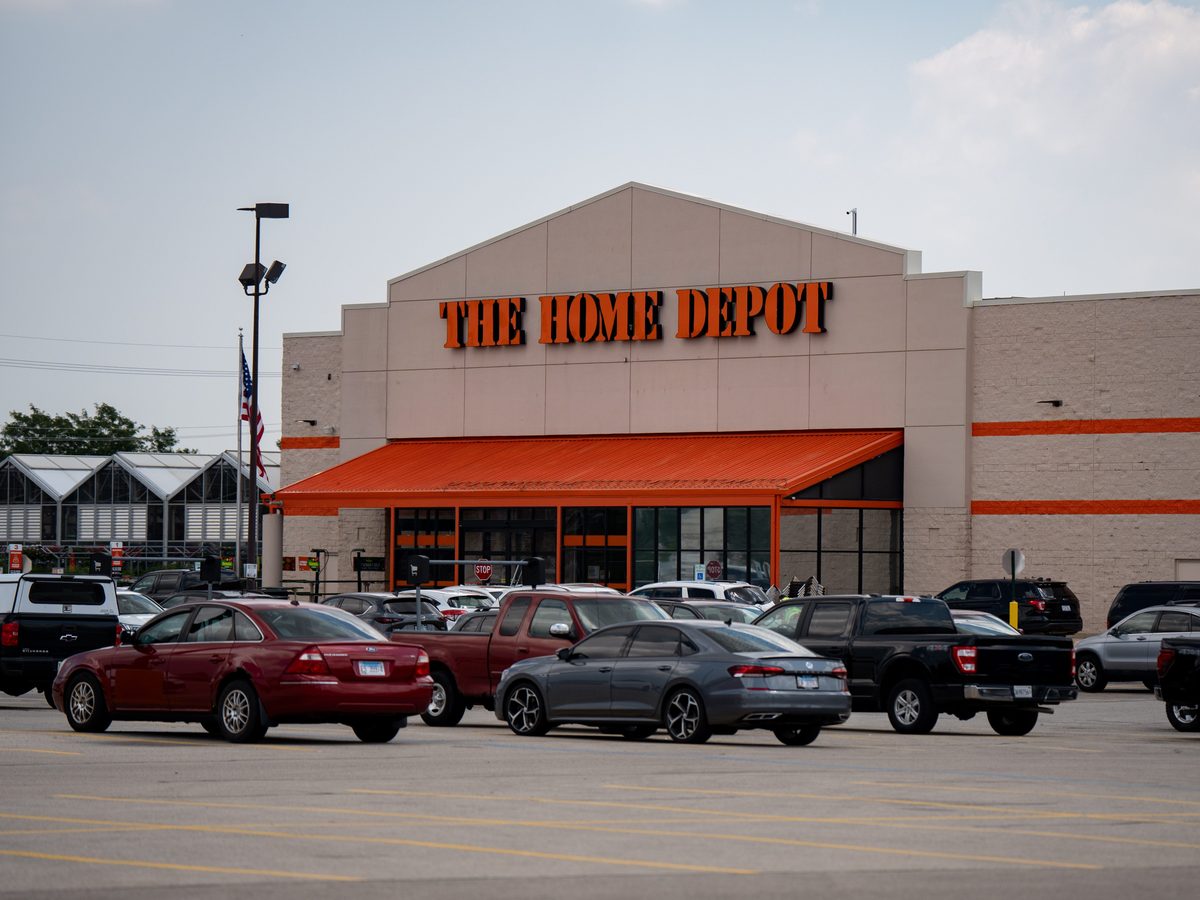
- Both Home Depot and Lowe's have installed Flock cameras in their parking lots.
- A Flock spokesperson asserted that private customers own and control their data, and law enforcement requires explicit customer authorization to access it.
- Home Depot stated its cameras are used to prevent and investigate theft and crime, and that it does not share ALPR data with immigration enforcement.
Background
Flock Safety's technology, which captures license plate and vehicle data, has become a focal point in the broader national debate surrounding mass surveillance and privacy rights. While law enforcement agencies have previously indicated that Flock's ALPRs have aided in solving crimes, concerns have mounted regarding the potential for misuse. A report from 404 Media in May 2025 detailed how local and state police agencies were conducting searches within Flock's extensive ALPR network for immigration-related investigations, even without direct contracts between federal agencies like ICE and Flock. This indirect access capability has fueled anxieties among privacy advocates and the public.
Impact Analysis
The campaign's strength lies in the collective influence of the participating content creators. By leveraging their substantial followings, they aim to exert significant public pressure on Home Depot and Lowe's. The core argument is that by partnering with Flock Safety, these retailers are complicit in a surveillance infrastructure that poses risks to customer privacy and safety, particularly for marginalized communities. Influencers like Jess Rambo, who runs The Painted Buffalo, expressed apprehension about data collection and its potential misuse, stating, “The concern for me is definitely the data collection and the safety of people if that data were put into the wrong hands.” Similarly, Alexa Speed of Cut Off the Spigot emphasized the need for collective action, asserting, “The only meaningful response is to end and cancel their partnership. I need to get a faucet or a wrench. I don't need to be surveilled.” The retailers, however, maintain that the cameras serve a crucial role in crime prevention and investigation, with Home Depot specifically denying sharing data with immigration enforcement.
“By participating in Flock's network, you are endangering the safety of customers, especially the immigrants and people of color who shop at your stores.”
Broader Context
This initiative is part of a growing trend where digital rights organizations are mobilizing online creators to advocate for policy changes and corporate responsibility. Fight For The Future has been instrumental in organizing similar campaigns targeting companies perceived to be enabling mass surveillance. As more municipalities reconsider or terminate their contracts with Flock Safety, the pressure is shifting towards the private sector, particularly large retailers whose widespread use of ALPRs creates vast data repositories. The debate highlights a fundamental tension between public safety efforts, corporate security measures, and individual privacy rights in an increasingly digitized world.
Future Outlook
The response from Home Depot and Lowe's will be closely watched. Should they decide to terminate their contracts with Flock Safety, it could set a significant precedent for other retailers and businesses utilizing similar surveillance technologies. Conversely, if they maintain their partnerships, the campaign may escalate, potentially leading to consumer boycotts or further public scrutiny. The ongoing legal and ethical discussions surrounding ALPR technology and data privacy will undoubtedly continue to shape corporate policies and consumer expectations regarding the use of surveillance in public and private spaces.
Conclusion
The demand from a large group of influencers for Home Depot and Lowe's to drop Flock Safety underscores a growing public unease with pervasive surveillance technology. While Flock Safety and its retail partners emphasize the crime-prevention benefits, critics argue that the potential for data misuse and the erosion of privacy, especially for vulnerable groups, outweigh these benefits. The outcome of this campaign could have far-reaching implications for the future of surveillance technology adoption by private entities and the broader conversation about balancing security with civil liberties.
Source: businessinsider.com