Fire Exposes Complex Ownership and Safety Gaps at $3.2 Billion AI Data Center
Introduction
A fire in early June at the yet-to-be-completed Lake Mariner data center in Somerset, New York, has cast a spotlight on the intricate corporate structures and potential safety oversights behind large-scale AI infrastructure projects. The incident revealed a startling lack of preparedness on the part of local emergency services, who entered the building with minimal information about the materials and potential hazards within.
Key Details
- Incident: A fire occurred in an unfinished building at the Lake Mariner data center.
- Firefighter Challenges: The Barker Fire Department reported a lack of working alarms and suppression systems, and three non-functional hydrants. Crucially, legally mandated safety documents were reportedly destroyed in the blaze.
- Hazardous Conditions: Fire Chief Steve Matisz described his crew entering the building “kind of blind,” encountering heavy black smoke from unidentified chemicals due to the missing safety sheets.
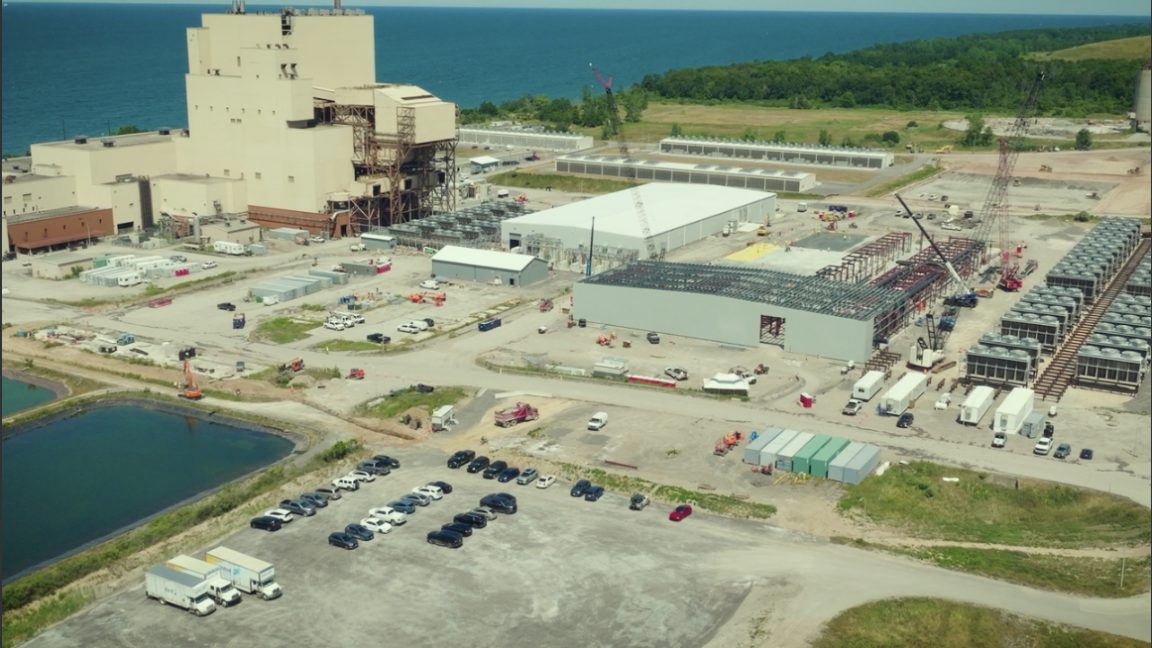
- Site Information: The facility is situated on a former coal mine site on Lake Ontario.
- Corporate Structure: The $3.2 billion campus involves multiple stakeholders: TeraWulf (owner/operator), Fluidstack (UK-based AI company managing operations), Google (holding warrants for future equity and guaranteeing lease payments), and Anthropic (a key AI compute customer).
- Safety Measures: TeraWulf stated it is responsible for operational safety and emergency preparedness, and has since implemented Knox boxes, additional hydrants, and safety data sheet “go-bags” following an internal review.
- Ongoing Concerns: As of mid-August, the chief of the fire department indicated that work on the hydrants was not yet visible, and a Knox box representative had only recently visited to schedule program development.
Background
The Lake Mariner data center represents a significant investment in AI infrastructure, aiming to meet the burgeoning demand for computational power. Located on a former industrial site, its development involves a sophisticated network of companies. TeraWulf, the owner and operator, leases the land from an entity controlled by its own CEO, highlighting an internal ownership dynamic. Fluidstack, a UK-based AI firm, is slated to manage the center's operations. Google's involvement, through warrants for a future equity stake and lease payment guarantees for Fluidstack, underscores the tech giant's strategic interest in securing AI compute resources. Anthropic, a prominent AI company, is among the clients whose demand is driving the need for such facilities.
Impact Analysis
The fire, though occurring in an unfinished structure, served as a critical wake-up call. The inability of local firefighters to access essential safety information underscores a systemic issue in the rapid deployment of large industrial facilities, particularly those handling potentially hazardous materials or complex electrical systems. The destruction of safety documents, a legal entitlement for first responders, created an unnecessarily dangerous environment. Chief Matisz’s statement that his crew went in “kind of blind” is a stark indictment of the preparedness measures in place at the time of the incident. While TeraWulf has since pledged to improve safety protocols, the continued issues with the hydrants suggest that remediation efforts may be lagging behind the pace of development.
“It’s been a difficult situation,” Chief Matisz stated, expressing his bewilderment regarding the claim that the crucial safety sheets had burned in the fire, a detail that directly impacted his team’s ability to respond effectively.
Broader Context
This incident occurs against a backdrop of intense global competition to build out AI infrastructure. Data centers are the physical backbone of the AI revolution, requiring vast amounts of energy and space. The complex corporate arrangements seen at Lake Mariner are becoming increasingly common as specialized companies focus on different aspects of the data center lifecycle – from construction and operation to AI compute provision and end-user demand. This fragmentation, while potentially efficient, can create opacity regarding ultimate responsibility for safety and emergency preparedness, especially when multiple entities are involved across different jurisdictions.
Future Outlook
The Lake Mariner incident is likely to prompt closer scrutiny of safety protocols and regulatory compliance for AI data centers, especially during their construction phases. Expect increased pressure on developers to ensure seamless information sharing with local emergency services and robust implementation of safety systems from the outset. TeraWulf’s commitment to implementing Knox boxes and improving hydrant access, alongside the development of safety data sheet “go-bags,” are positive steps. However, the ongoing issues with the hydrants highlight the need for diligent follow-through and verification by local authorities. The involvement of major tech players like Google and Anthropic suggests these facilities are critical national assets, potentially leading to greater oversight from both industry bodies and government regulators.
Conclusion
The fire at the Lake Mariner data center, while not resulting in major reported injuries or catastrophic damage, exposed significant vulnerabilities in safety communication and preparedness within a high-stakes AI infrastructure project. The complex ownership structure, involving TeraWulf, Fluidstack, Google, and Anthropic, illustrates the modern reality of large-scale tech development. Moving forward, ensuring that the rapid expansion of AI infrastructure does not come at the cost of community safety and first responder well-being will require greater transparency, stricter adherence to safety regulations, and robust collaboration between developers and local authorities.
Source: arstechnica.com