Excessive Coffee Linked to Weaker Bones in Older Women, Tea Shows Modest Benefit
Introduction
New research from Flinders University suggests a nuanced relationship between common daily beverages and bone health in older women. While moderate coffee consumption appears to pose no significant risk, a study spanning a decade and involving nearly 10,000 participants indicates that excessive coffee intake may be detrimental to bone density. Conversely, regular tea drinking was associated with a slight, yet statistically significant, improvement in hip bone mineral density (BMD). These findings, published in the journal Nutrients, add a crucial layer of understanding to the ongoing debate about coffee, tea, and skeletal health, particularly for a demographic highly susceptible to osteoporosis.
Key Details
- The study followed nearly 10,000 women aged 65 and older for 10 years.
- Researchers analyzed the association between coffee and tea consumption and bone mineral density (BMD) at the hip and femoral neck.
- Drinking more than five cups of coffee per day was linked to lower BMD.
- Moderate coffee consumption (2-3 cups daily) showed no negative association with bone health.
- Tea drinkers exhibited slightly higher total hip BMD compared to non-tea drinkers.
- The study utilized data from the long-running Study of Osteoporotic Fractures (SOF).
- Funding for the SOF study was provided by the National Institute on Aging (NIA) and the National Institute of Arthritis and Musculoskeletal and Skin Diseases (NIAMS).
Background
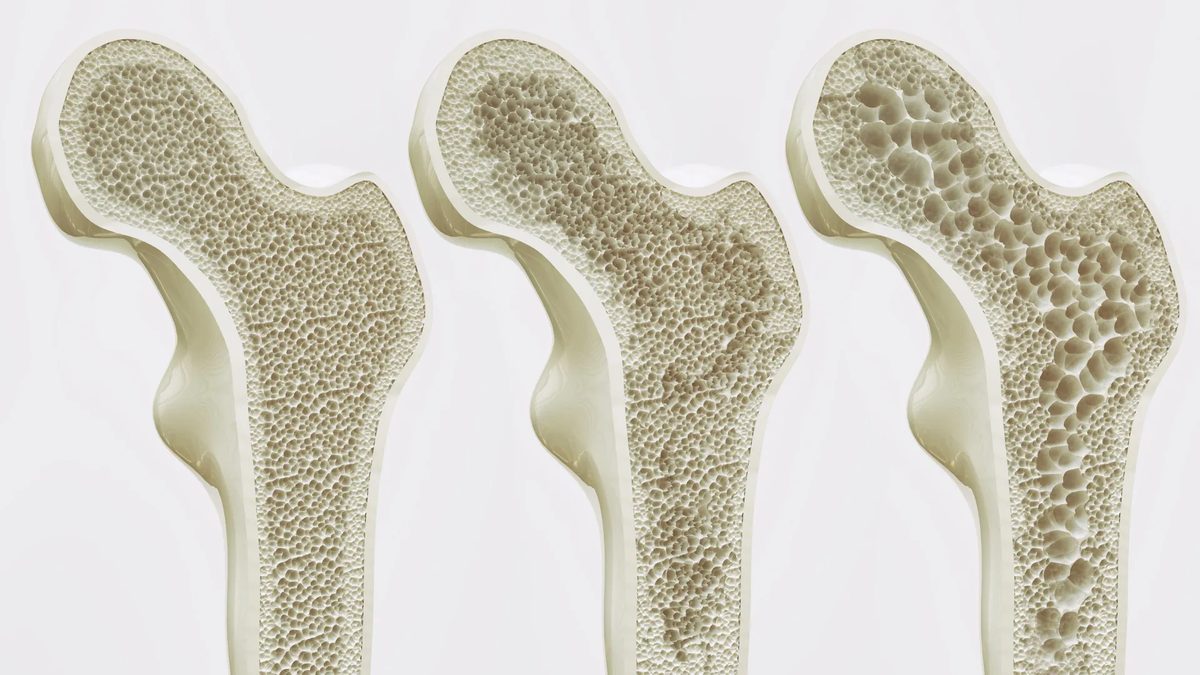
Osteoporosis, a condition characterized by weakened bones and increased fracture risk, is a significant global health concern, disproportionately affecting older women. With billions worldwide consuming coffee and tea daily, even minor impacts on bone health can have widespread public health implications. Previous research in this area has yielded inconsistent results, making long-term, well-controlled studies like this one particularly valuable. The Study of Osteoporotic Fractures (SOF) provided a robust dataset for examining these long-term associations, allowing researchers to track changes in bone density alongside detailed beverage consumption habits over a decade.
Impact Analysis
The Flinders University study highlights a potential threshold effect for coffee consumption. While up to three cups a day seemed benign, exceeding five cups daily was correlated with diminished bone density. This suggests that the high caffeine content in excessive coffee intake might interfere with calcium absorption and bone metabolism, as proposed by co-author Ryan Liu. However, he also notes that adding milk to coffee could potentially mitigate these effects by providing calcium. The findings also indicated that the negative impact of high coffee consumption was more pronounced in women with a history of higher alcohol intake, suggesting a synergistic detrimental effect. Conversely, tea, rich in catechins, demonstrated a modest bone-protective association, with benefits appearing more significant in women with obesity. This suggests that compounds in tea might actively promote bone formation or slow bone resorption.
“While moderate coffee drinking appears safe, very high consumption may not be ideal, especially for women who drink alcohol,” stated Adjunct Associate Professor Enwu Liu.
Broader Context
The study’s findings must be viewed within the broader context of bone health management. While the observed effects of coffee and tea are statistically significant, the magnitude of the difference in bone density was modest. Researchers emphasize that these results do not warrant drastic dietary changes for individuals. The established cornerstones of bone health—adequate calcium and vitamin D intake, regular weight-bearing exercise, and avoiding smoking—remain paramount. However, the study adds a potential dietary consideration, suggesting that for older women, incorporating tea into their routine might offer a simple, complementary strategy for supporting skeletal integrity, while exercising caution regarding very high coffee intake.
Future Outlook
Further research could explore the specific mechanisms by which tea's compounds influence bone metabolism and investigate whether similar associations exist in different demographic groups or in men. Understanding the interplay between beverage consumption, genetics, and other lifestyle factors will be key to developing personalized bone health strategies. The study also opens avenues for investigating whether specific types of tea or coffee preparation methods yield different results. As populations age globally, identifying accessible and sustainable dietary interventions for maintaining bone health will continue to be a critical area of public health research.
Conclusion
The Flinders University study provides valuable longitudinal data on the relationship between coffee, tea, and bone health in older women. It suggests that while moderate coffee consumption is likely safe for bone density, excessive intake may pose a risk. Regular tea consumption, on the other hand, is associated with a small but significant benefit to hip bone density. These findings underscore the importance of considering beverage choices as part of a comprehensive approach to maintaining skeletal health in later life, complementing established recommendations for calcium, vitamin D, and exercise.
Source: sciencedaily.com