Everton's Transfer Window Woes: Squad Gaps and Financial Strain
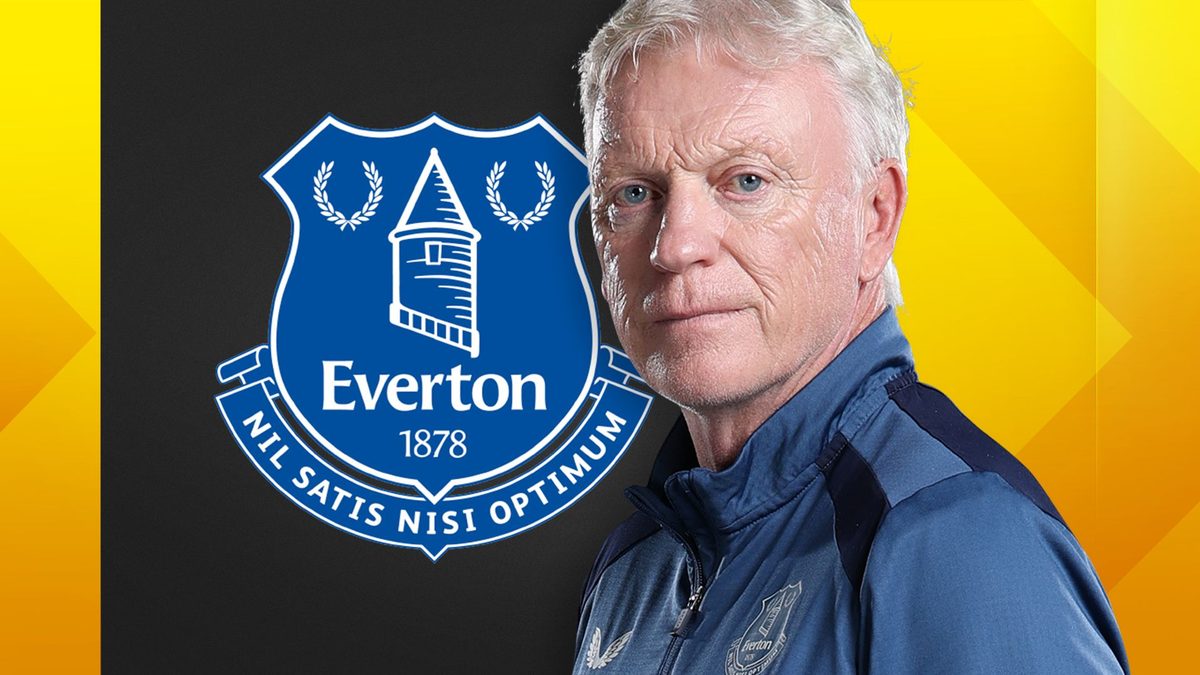
Everton's Transfer Window Woes: Squad Gaps and Financial Strain
Introduction
The recent transfer window has once again cast a long shadow over Everton Football Club, leaving fans and pundits alike questioning the club's strategy and its long-term implications. While the dust has settled on the flurry of deals, the lingering sentiment is one of concern, particularly regarding the apparent lack of reinforcements in key positions and the ever-present specter of financial fair play. This analysis delves into the decisions made during the window, assessing their impact on the squad's immediate prospects and the club's broader financial health.
Key Details
- Squad Deficiencies: Despite efforts to strengthen, Everton appears to remain critically short in several key areas, notably in central midfield and potentially at center-back, depending on defensive departures.
- Financial Constraints: The club's financial situation continues to dictate transfer policy, limiting their ability to make significant investments and forcing a reliance on loan deals or free transfers.
- Missed Opportunities: Several potential targets were reportedly missed or deemed too expensive, suggesting a disconnect between the club's needs and its financial capacity.
- Player Departures: While some players have moved on, freeing up wages, the overall impact on squad depth and quality remains debatable.
- Managerial Ambitions: The manager's stated ambitions for the team may be hampered by the limited resources available in the transfer market.
Background
Everton's journey over the past few seasons has been a tumultuous one, marked by a struggle for Premier League survival and persistent questions about their financial management. The club has operated under the watchful eye of the Premier League's Profitability and Sustainability Rules (PSR), which impose strict limits on losses. This has led to a more cautious approach in the transfer market, often prioritizing sales to balance the books before making new acquisitions. The departure of key personnel, both on and off the field, has further contributed to a sense of instability. The ownership situation, with the proposed sale to 777 Partners facing scrutiny, adds another layer of uncertainty to the club's future direction. This backdrop is crucial to understanding the constraints and considerations that shaped Everton's activity, or lack thereof, in the most recent transfer window.
The club has, in recent years, invested heavily in its infrastructure, most notably with the construction of the new Bramley-Moore Dock stadium. While this represents a significant long-term investment and a potential game-changer for the club's revenue streams, the immediate financial burden has undoubtedly impacted their ability to spend on player transfers. The narrative surrounding Everton has become one of balancing ambition with stringent financial realities. Fans, understandably, crave success and a return to the club's former glories, but the current financial climate necessitates a pragmatic and often frustrating approach to squad building. The reliance on loans and the sale of established players to fund new, often less experienced, signings has become a recurring theme.
Furthermore, the competitive landscape of the Premier League means that every club is vying for talent. For a club like Everton, operating with financial restrictions, competing for top-tier players against wealthier rivals is an uphill battle. This often leads to a situation where potential targets are either unattainable due to cost or unwilling to join a club facing such financial and on-field challenges. The club's recruitment strategy has also faced criticism in the past, with some signings failing to live up to expectations or command significant transfer fees upon departure. This history further complicates the present, as the club seeks to rebuild trust and demonstrate a clear, effective path forward.
Analysis
The recent transfer window at Everton appears to be a microcosm of the club's ongoing struggles. The inability to secure significant reinforcements in areas of clear need suggests a fundamental issue with either the club's financial planning or its execution of transfer strategy. While it is easy to point fingers, the reality is likely a complex interplay of factors. The stringent PSR regulations, while necessary for the long-term health of the sport, have undoubtedly placed Everton in a precarious position. They are forced to operate with a level of caution that can stifle ambition and leave them vulnerable to stronger, financially healthier clubs.
The reported inability to pursue certain transfer targets due to cost is particularly concerning. It implies that Everton is not only limited by the PSR but also by its current market valuation and perceived financial strength. This creates a vicious cycle: a weaker squad may lead to poorer on-field results, which in turn can negatively impact revenue streams and the club's attractiveness to both players and potential investors. The proposed takeover by 777 Partners, if it were to proceed, could offer a lifeline, but the ongoing delays and scrutiny surrounding the deal mean that short-term decisions must be made without the certainty of new investment.
Furthermore, the reliance on loan deals, while a pragmatic solution in the short term, does not address the long-term need for squad development and asset building. Loan players, by their nature, are temporary solutions and do not contribute to the club's long-term value. The sale of established players, while necessary for financial compliance, can also deplete the squad's experience and leadership, leaving a void that is difficult to fill with limited resources. The manager, Sean Dyche, has often been praised for his ability to work with limited resources, but even the most astute manager will struggle if the fundamental building blocks of a competitive squad are missing.
The question of whether Everton is “short in key positions” is not just about the number of players but also about the quality and depth available. If the starting eleven is heavily reliant on a few key individuals, any injuries or suspensions can have a disproportionately negative impact. The transfer window should ideally be a period where such vulnerabilities are addressed, creating a more robust and resilient squad. The fact that these concerns persist suggests that the club may have prioritized other areas, or perhaps simply lacked the financial muscle to act decisively. The cost of this approach, in terms of potential league position and fan dissatisfaction, could be significant.
Conclusion
Everton's transfer window activity, or lack thereof, underscores the significant challenges facing the club. Operating under severe financial constraints, they appear to have been unable to adequately address critical squad weaknesses. This situation raises serious questions about the club's strategic planning and its ability to compete effectively in the Premier League. While the long-term vision of the new stadium offers hope, the immediate future appears to be one of continued struggle, dependent on astute management and perhaps a degree of luck. The financial fair play rules, while essential for the integrity of the game, have created a difficult environment for clubs like Everton, forcing them into a delicate balancing act between survival and ambition. The decisions made, or not made, during this transfer window will undoubtedly have a lasting impact on the club's trajectory in the coming months and years.
Source: skysports.com