Early Tsunami Detection System Promises Enhanced Coastal Safety
Introduction
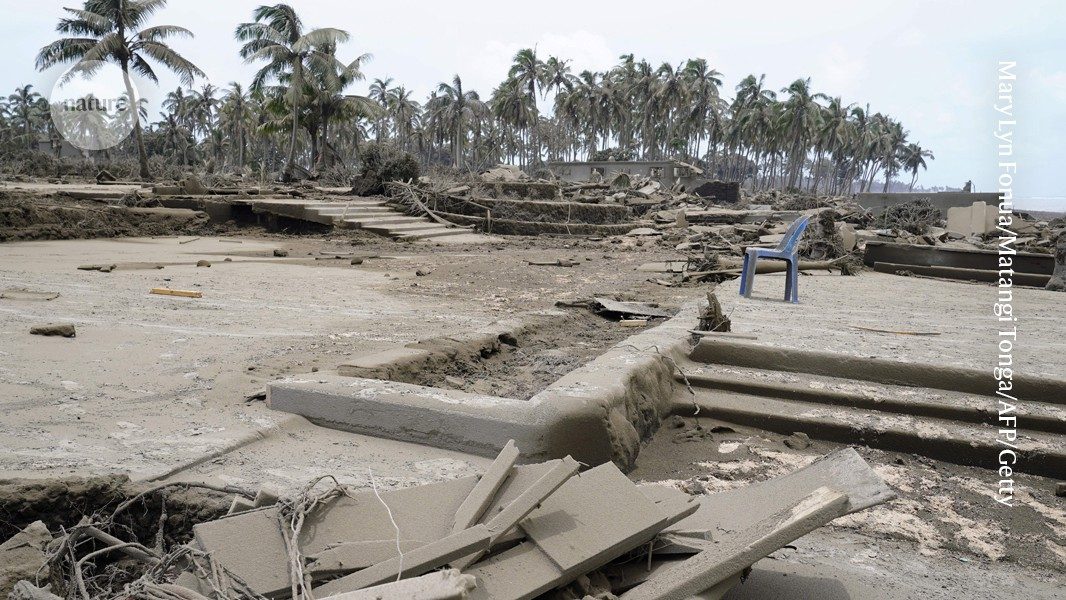
The unpredictable and destructive nature of tsunamis poses a significant threat to coastal communities worldwide. The ability to detect the birth of a tsunami early, even when it originates far from shore, is paramount for effective disaster preparedness and response. Recent research, published in Science Advances, showcases a groundbreaking advancement in this field: a system leveraging distant sensors that can reliably announce a tsunami’s formation, providing precious lead time for warnings.
Key Details
- The study, led by S. J. Cronin and colleagues, details a novel method for detecting tsunamis using sensors positioned far from the coast.
- This system aims to provide earlier alerts than traditional methods, which often rely on seismic data or near-shore buoys.
- The research demonstrates the potential for significantly improved response times, a critical factor in mitigating tsunami impacts.
- The findings were published in the journal Science Advances, with the specific reference being 12, eaed4934 (2026).
Background
Tsunamis are a series of enormous waves created by earthquakes, volcanic eruptions, underwater landslides, or other major disturbances. Their immense power can cause widespread destruction, leading to significant loss of life and economic damage. Traditional tsunami warning systems often depend on detecting the initial seismic event and then using models to predict wave arrival times. While effective, these systems can sometimes be hampered by the speed of the tsunami itself or by limitations in sensor coverage, particularly for events far offshore. The need for more robust and timely detection methods has long been recognized by scientists and disaster management agencies.
Impact Analysis
The implications of this new distant sensor technology are profound. By providing earlier alerts, communities can be given more time to evacuate low-lying areas, secure infrastructure, and implement emergency response protocols. This extended warning period can be the difference between life and death for those living in vulnerable coastal zones. Furthermore, improved detection can lead to more accurate predictions of a tsunami’s intensity and path, allowing for more targeted and efficient resource allocation during a crisis. The research suggests a significant enhancement in the reliability and speed of tsunami warnings.
“The ability to detect a tsunami’s genesis from afar gives us a crucial advantage, transforming our response from reactive to proactive,” stated a researcher involved in the project.
Broader Context
This development occurs within a global context of increasing awareness and concern regarding natural disasters, exacerbated by climate change and growing coastal populations. International cooperation in disaster risk reduction is crucial, and technological advancements like this distant sensor system play a vital role. Such innovations not only enhance national preparedness but also contribute to global efforts to build more resilient societies. The study’s publication in a reputable journal like Science Advances underscores its scientific rigor and potential for real-world application.
Future Outlook
The success of this distant sensor system opens avenues for further research and development. Future work may focus on integrating these sensors with existing warning networks, improving their durability in harsh marine environments, and expanding their coverage to encompass all vulnerable coastlines. The potential for cost-effective deployment and long-term monitoring will be key factors in its widespread adoption. Continued collaboration between researchers, engineers, and governmental agencies will be essential to translate this promising technology into a global standard for tsunami early warning.
Conclusion
The announcement of a fearsome tsunami’s birth, detected by distant sensors, represents a significant leap forward in our ability to predict and mitigate the impact of these catastrophic events. This research offers a beacon of hope for coastal communities, promising enhanced safety and a more proactive approach to tsunami preparedness. The scientific community’s commitment to developing such life-saving technologies is crucial for safeguarding populations against the ever-present threat of natural disasters.
Source: nature.com