College Football's Targeting Rule: Safety vs. Controversy Explained
Introduction
College football's targeting rule, designed with player safety as its paramount concern, continues to be one of the sport's most debated and misunderstood regulations. Despite recent adjustments aimed at clarifying its application and mitigating its impact on game outcomes, the rule remains a significant source of frustration and confusion for players, coaches, and fans alike. This season, as in seasons past, the specter of a targeting call looms large, potentially altering the course of games and igniting passionate discussions about fairness, player protection, and the very nature of the sport.
Key Details
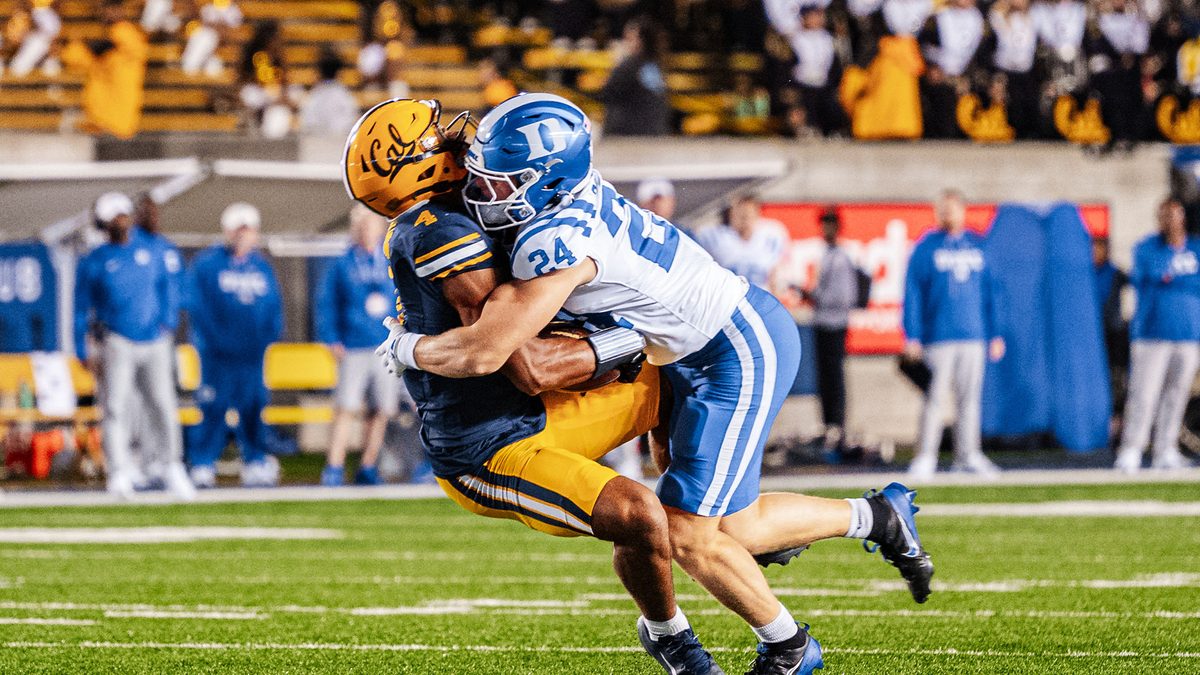
- Definition of Targeting: Targeting is defined as initiating forcible contact against an opponent that is unnecessary and avoidable, going beyond the scope of a routine legal tackle, block, or play on the ball. The rule places a particular emphasis on contact directed at the head and neck areas.
- Indicators of Targeting: Specific actions that can be flagged as targeting include leading with the crown of the helmet to make forcible contact, especially against a defenseless opponent, or making forcible contact above the shoulders with the helmet or shoulder. Lowering the head before initiating contact with the crown of the helmet is also a key indicator.
- Automatic Ejection and Review: A targeting foul results in an automatic ejection from the current game. This decision is subject to review via instant replay, with no option for officials to overturn the call on the field (a “stands” option is not available).
- Penalty Adjustments for 2023-2024 Season: For the current season, penalties have been adjusted to reduce automatic suspensions. If a player is flagged for targeting in the second half of a game, they are ejected for that game but do not face an automatic suspension for the first half of the next game. However, a second targeting foul in the same season results in ejection and a one-game suspension (including the first half of the next game).
- Appeal Process: Conferences have the option to appeal targeting calls involving three or more fouls in a season. This appeal involves a video review by the NCAA national coordinator of football officials. Successful appeals can reinstate a player for the full game.
- Experimental Rule Status: The NCAA is implementing these penalty adjustments as an experimental rule for the 2023 season, with the goal of observing its impact on player behavior and preventing unintended consequences.
Background
The targeting rule was introduced and has evolved as a direct response to the increasing awareness and concern surrounding concussions and other serious head and neck injuries in football. The NCAA, like other sports governing bodies, has grappled with the challenge of balancing the inherent physicality of the game with the imperative to protect its athletes. Early iterations of the rule were strict, leading to frequent ejections and significant controversy. The ongoing adjustments reflect a continuous effort to refine the rule, seeking a more precise application that upholds safety without unduly penalizing players for aggressive but otherwise legal plays.
Impact Analysis
The targeting rule's impact is multifaceted. On one hand, it has undeniably contributed to a heightened awareness of player safety, encouraging players to avoid dangerous hits and potentially reducing the incidence of severe head injuries. However, the subjective nature of some calls, coupled with the severe penalty of ejection, has led to widespread criticism. Fans and analysts often point to instances where the rule appears to be inconsistently applied, leading to frustration when crucial players are removed from games. The recent adjustments aim to strike a better balance, acknowledging that not all helmet-to-helmet contact is malicious or avoidable, and that the penalty should reflect the severity and intent of the infraction. Yet, the debate over whether the rule goes too far in limiting the physicality of the game or not far enough in protecting players continues to rage.
Broader Context
The discussion around targeting in college football is part of a larger, ongoing conversation about the future of contact sports in an era of increased medical understanding of head trauma. Similar debates are occurring in professional leagues like the NFL and in other sports. The challenge for administrators is to implement rules that enhance safety while preserving the excitement and integrity of the game. This involves not only rulebook adjustments but also advancements in equipment technology, improved coaching techniques focusing on safer tackling, and comprehensive concussion protocols. The targeting rule is a focal point in this complex ecosystem, representing the sport's commitment to adapting to new knowledge and prioritizing athlete well-being.
Future Outlook
The experimental nature of the current targeting penalty adjustments suggests that further modifications are possible. The NCAA will closely monitor the data and feedback from this season to determine the rule's effectiveness. If the changes are deemed successful in promoting safety without excessively disrupting gameplay, they may become permanent. Conversely, if unintended consequences arise or if the rule continues to be a major point of contention, the NCAA may revert to previous standards or explore entirely new approaches. The ultimate goal remains to find a sustainable equilibrium between player safety and the competitive spirit of college football.
Conclusion
The targeting rule in college football remains a complex and contentious issue. While its foundation in player safety is laudable, its application and penalties have consistently sparked debate. The recent experimental changes represent an attempt to refine the rule, aiming for a more nuanced approach to ejections and suspensions. As the season progresses, the effectiveness of these adjustments will be closely scrutinized, highlighting the ongoing challenge of safeguarding athletes while preserving the integrity and excitement of the game.
Source: foxsports.com