Amazon's Echo Lineup Evolves: Navigating the Best Alexa Speakers Amidst Price Hikes and AI Upgrades
Introduction
The smart speaker landscape, once dominated by Amazon's pioneering Echo devices, has become a crowded and often confusing marketplace. With Amazon continually expanding its lineup and introducing new features like the AI-powered Alexa+, choosing the right Alexa speaker requires careful consideration of sound quality, display capabilities, and evolving privacy concerns. This updated guide delves into the best Alexa speakers tested, offering insights into their performance, value, and how they fit into the current smart home ecosystem, especially in light of recent price adjustments.
Key Details
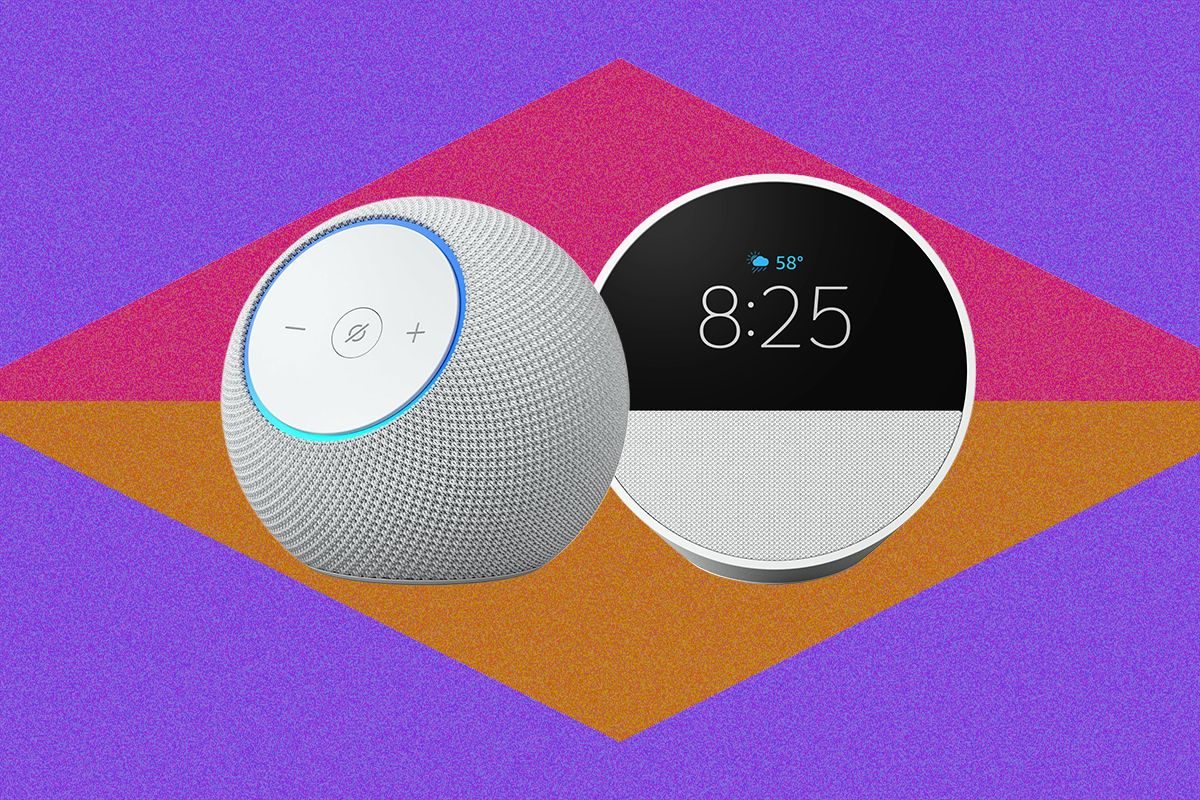
- Best Overall & Compact Sound: Echo Dot Max ($120) offers impressive sound for its size and is the reviewer's top pick for general use. The standard Echo Dot ($80) remains a budget-friendly option for basic voice commands.
- Best for Audiophiles: Echo Studio (2nd Gen) delivers exceptional sound quality, filling large spaces with rich audio, spatial audio, and Dolby Atmos support.
- Best Smart Display: Echo Show 11 ($250) is recommended for its updated design and compatibility with Alexa+, though the older Echo Show 8 (3rd Gen) ($150) offers good value.
- Best for Bedside: Echo Spot (2nd Gen) features a compact, dimmable screen ideal for alarms and time display without intrusive visuals or cameras.
- Best for Kids: Echo Dot Kids (5th Gen) includes parental controls and a year of Amazon Kids+ content.
- Smart Home Hub: Echo Hub ($180) focuses on smart home control with a screen but lacks robust speakers for music.
- Budget Option: Echo Pop ($40) is a small, cute speaker suitable for casual listening or small spaces, though sound quality is basic.
- Third-Party Options: JBL Authentics 200 ($380) and Sonos Era 100 ($219) offer Alexa compatibility alongside other smart assistant support or a premium audio experience, respectively.
Background
Amazon's foray into smart speakers with the original Echo device revolutionized home technology. However, the subsequent proliferation of Echo models, including smart displays and variations in size and functionality, has made selection a challenge. Recent updates in late 2025 saw the release of devices like the Echo Dot Max, Echo Studio (2nd Gen), Echo Show 11, and Echo Show 8 (4th Gen). Compounding the complexity, Amazon implemented price increases across its Echo line, citing rising storage and memory costs, affecting models ranging from the Echo Dot to the larger Echo Shows.
Impact Analysis
The most significant recent development is the rollout of Alexa+, an AI-enhanced version of the voice assistant. While offering a more conversational and capable experience, it comes with a subscription fee ($20/month or free with Prime) and has altered privacy settings. Notably, the option to process voice recordings locally has been removed, with all recordings now sent to Amazon for processing, a change that began in March 2025. This shift impacts user privacy and requires careful consideration, especially for those sensitive to data collection. The price increases, while attributed to supply chain costs, also mean that consumers must weigh the enhanced features against a higher entry cost, potentially making older, discounted models more attractive for budget-conscious buyers.
“The most significant recent development is the rollout of Alexa+, an AI-enhanced version of the voice assistant. While offering a more conversational and capable experience, it comes with a subscription fee and has altered privacy settings.”
Broader Context
The smart speaker market is increasingly competitive, with both Amazon and its rivals focusing on integrating more advanced AI and improving user experience. The move towards generative AI in assistants like Alexa+ reflects a broader industry trend to create more intuitive and personalized interactions. However, this also raises ongoing debates about data privacy, the necessity of cloud processing for AI functions, and the potential for increased surveillance. As consumers become more aware of these issues, manufacturers face the challenge of balancing innovation with user trust and transparency. The price hikes also occur within a global economic climate marked by inflation and supply chain disruptions, impacting consumer electronics across the board.
Future Outlook
The future of Alexa speakers likely involves deeper integration of AI, more sophisticated smart home control, and potentially new form factors. The success of Alexa+ will depend on its perceived value proposition against its cost and any privacy concerns users may have. We can expect Amazon to continue refining its hardware, possibly introducing more specialized devices or further enhancing the capabilities of existing lines. The ongoing tension between local processing and cloud-based AI will remain a critical factor in consumer adoption and trust. Furthermore, the competitive landscape will likely drive further innovation in sound quality, display technology, and cross-platform compatibility.
Conclusion
Navigating the best Alexa speakers in 2026 requires a nuanced understanding of Amazon's diverse offerings, recent price adjustments, and the implications of Alexa+. For those prioritizing sound, the Echo Studio (2nd Gen) stands out, while the Echo Dot Max offers a compelling balance of performance and size for everyday use. Smart display users will find the Echo Show 11 a capable, albeit pricier, option. The removal of local voice processing for Alexa+ is a significant privacy consideration that users must weigh. Ultimately, the best choice depends on individual needs, budget, and comfort level with evolving AI and data privacy practices.
Source: wired.com